
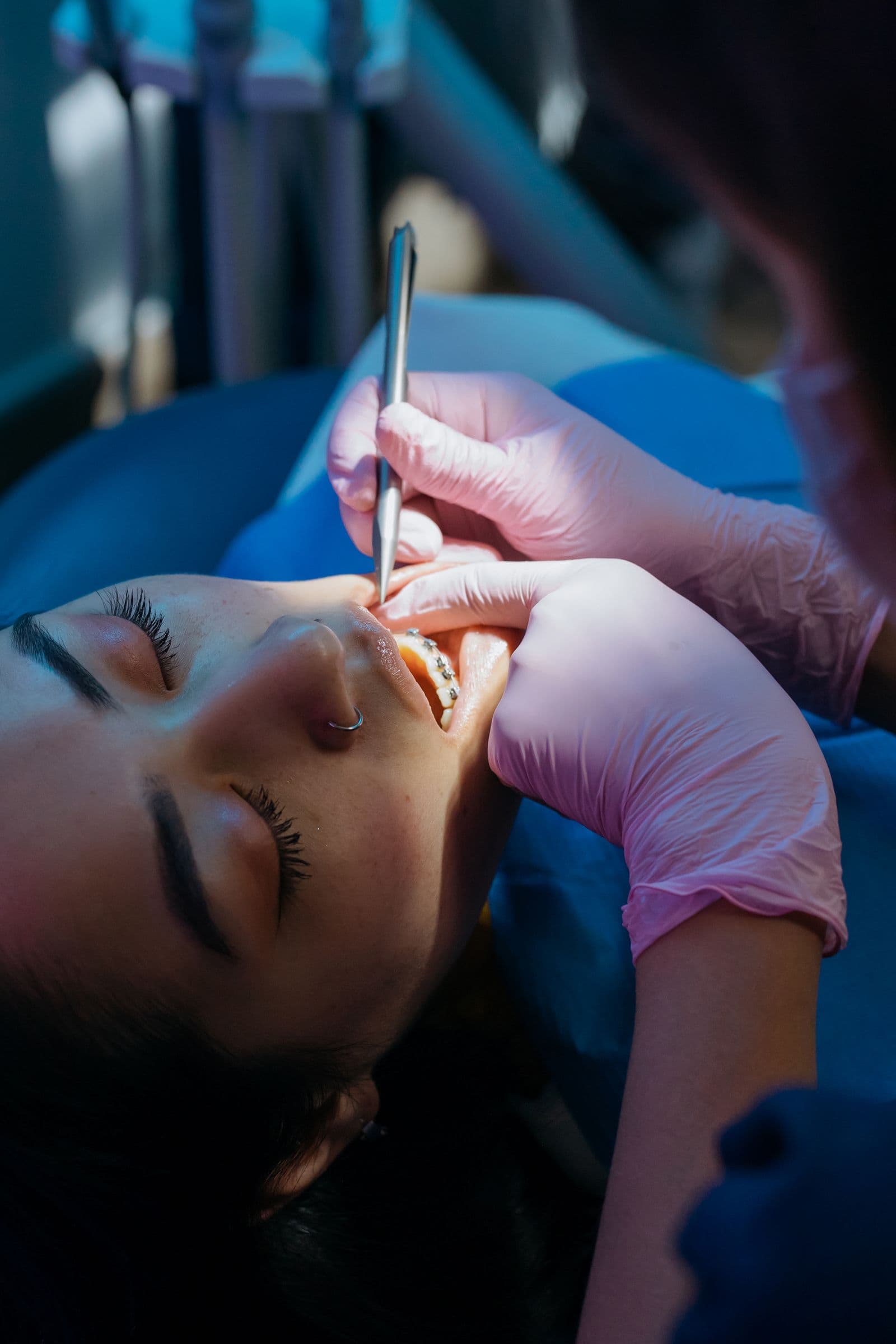
Regular dental check-ups, together with daily brushing with fluoride toothpaste and cleaning between your teeth, can help protect your teeth and gums. A check-up and clean gives your dentist the chance to spot problems early and talk through your options with you.
Here is what typically happens during a dental check-up and clean, how often dentists generally recommend one, and roughly what it costs in Australia.
Key takeaways
- A check-up and clean typically includes an examination, a professional scale and polish, and X-rays if clinically needed
- Many people have a check-up every 6 to 12 months, but your dentist should confirm the right interval for you
- CHOICE reported the most recently published ADA fee-survey data averaging around $219 for a periodic check-up, with a $162–$309 range; ask your practice for current fees
- Your health fund rebate depends on your policy, limits, and waiting periods; HICAPS processes claims but doesn't guarantee a particular gap
What Is a Dental Check-Up and Clean?
A dental check-up and clean is a routine preventive appointment made up of two parts. First, a dental practitioner examines your teeth, gums, and mouth for signs of decay, gum disease, or other issues. Second, a dentist, hygienist, or other appropriately qualified practitioner may provide a professional clean, depending on the practice.
Finding problems early may allow your dentist to discuss less complex treatment options with you. The appropriate treatment and cost always depend on your individual oral health, which is exactly what a check-up is designed to establish.
What's Included in a Dental Check-Up and Clean?
The Examination
Your dentist checks every tooth for decay, cracks, and wear, and looks closely at your gums for early signs of inflammation or gum disease. They will also examine your bite and jaw joints, and may check your lips, tongue, mouth, and other soft tissues for abnormalities, letting you know if further assessment is needed.
Examination time varies depending on your concerns, history, and the type of assessment required. It's generally quick and comfortable, though you may feel some minor discomfort if your gums are inflamed or your teeth are sensitive, so let your dentist know beforehand if that's a concern.
The Scale and Polish
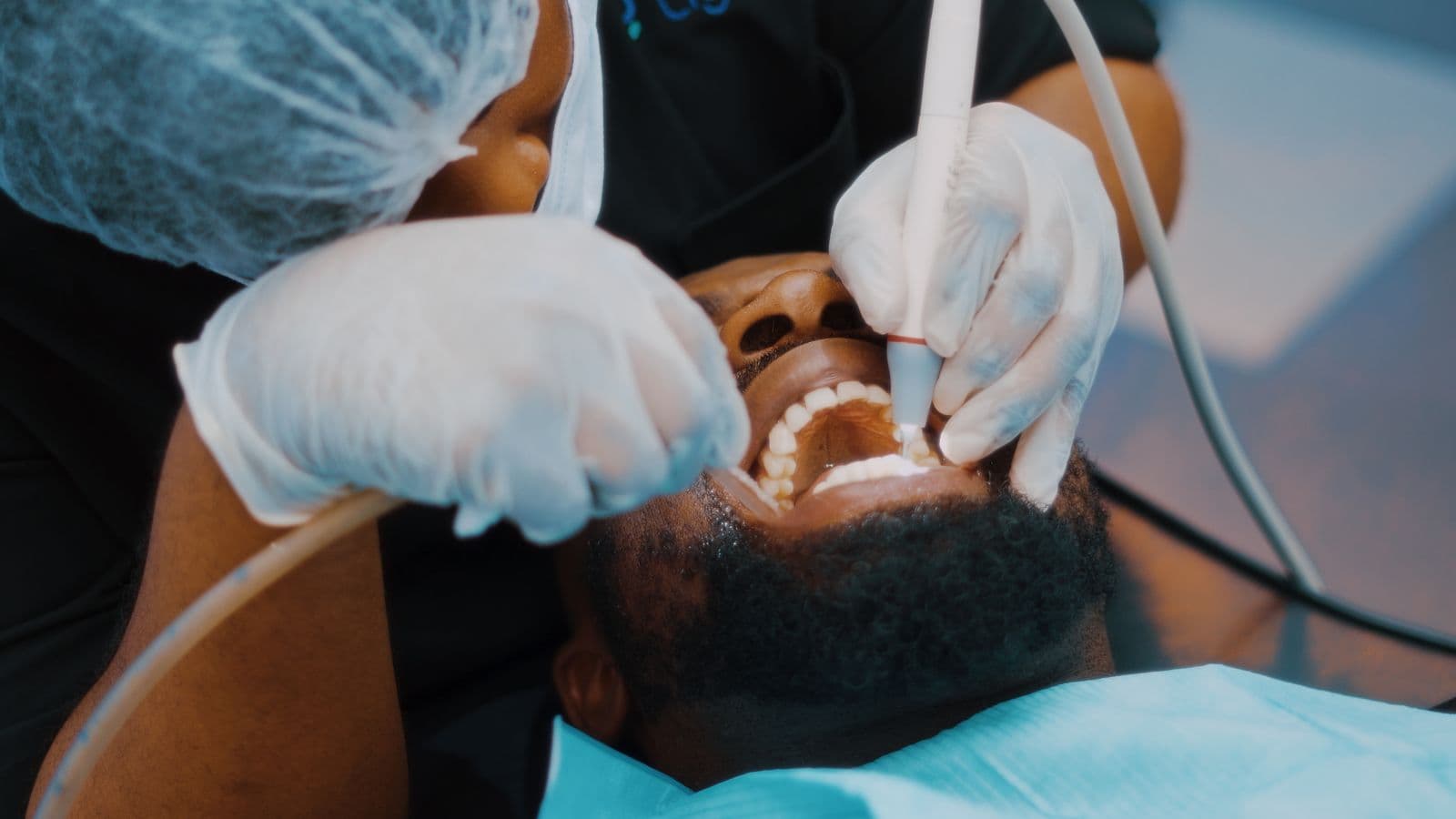
Using an ultrasonic scaler and hand instruments, your hygienist or dentist removes plaque and hardened tartar from around and between your teeth, including areas your toothbrush cannot reach. This is the part most people mean when they say "teeth cleaning."
Once the tartar is gone, your teeth are polished with a gritty paste to smooth the surface and remove surface staining from coffee, tea, or red wine. Flossing usually finishes the clean.
X-Rays, When Needed
X-rays are not taken at every visit. Your dentist may recommend them when clinically indicated, based on factors such as symptoms, examination findings, your age, decay risk, and when previous images were taken.
Fluoride and Oral Health Advice
Your practitioner may recommend fluoride or other preventive care when it's appropriate for your oral health needs, along with personalised advice on brushing technique, flossing, and diet. Appointment length varies depending on what's involved, so ask the practice how much time to allow.
How Often Should You Get a Dental Check-Up and Clean?
The General Guideline: Every 6 to 12 Months
Many people have a dental check-up every 6 to 12 months, and Healthdirect Australia recommends this as the general timeframe, with your dentist confirming the right interval based on your teeth, gums, and individual risk factors. Despite this, just over half (53.9%) of Australians aged 15 and over visited a dental professional in the previous 12 months, according to the Australian Bureau of Statistics' most recent Patient Experience Survey.
When You Might Need More Frequent Visits
- You have gum disease or a history of periodontal treatment
- You smoke or vape regularly
- You are pregnant, as hormonal changes increase gum sensitivity
- You have diabetes, which affects healing and infection risk
- You have braces, implants, or crowns that need extra monitoring
- You get frequent cavities or build up tartar quickly
When Annual Check-Ups Might Be Enough
Patients with consistently healthy teeth and gums, low decay risk, and good home hygiene habits are sometimes moved to a 12-month schedule. This is a decision your dentist makes after observing your oral health over a few visits, not something to decide on your own.
How Much Does a Dental Check-Up and Clean Cost?
Average Dental Cleaning Cost in Australia
According to CHOICE, the most recently published Australian Dental Association fee survey data puts the average cost of a periodic check-up (exam, scale and clean, plus fluoride) at around $219, with a reported range of $162 to $309. Fees vary by practice, location, and the services clinically required, so treat these figures as a general guide rather than a current price guarantee.
Fees vary between individual practices, so it's worth comparing what's included, not just the headline price. Ask your practice for a written quote before booking, especially if X-rays are likely to be needed.
What Affects the Price
The biggest swing factors are whether X-rays are taken, how much tartar needs to be removed, and whether it is your first visit to that practice (new patient exams often take longer). A straightforward routine maintenance clean on a patient with good oral hygiene tends to sit at the lower end of the range.
Private Health Insurance and HICAPS
Depending on your extras policy, available limits, waiting periods, and the dental item numbers billed, your fund may pay part or all of the cost. Practices with HICAPS on-site can process an eligible claim on the spot, but HICAPS doesn't guarantee a particular rebate or eliminate the gap. Check which health funds we work with and confirm your cover before you book.
New Patient Offer
Check-up and clean from $99*
*New-patient offer: exam, scale & clean, polish, fluoride, and X-rays if required. Eligibility, availability, and any additional fees may apply — see full terms on the service page.
Standard Clean vs Periodontal Treatment: Which Do You Need?
Not every clean is the same. Here is how a routine check-up and clean compares to a new-patient appointment and periodontal treatment for diagnosed gum disease, so you know what to expect.
| Appointment | Typical cost | What's included | Best for |
|---|---|---|---|
| Standard check-up & clean | ~$162–$309 (ADA data via CHOICE) | Exam, scale & polish; fluoride if recommended | Routine maintenance every 6–12 months |
| New-patient appointment | Clinic-specific — ask for a quote | Exam and discussion of concerns; X-rays, cleaning, and a treatment plan may be recommended based on clinical need | First visit to a new dentist |
| Periodontal treatment (e.g. scaling and root planing) | Clinic-specific — ask for a quote | Treatment below the gumline for diagnosed gum disease, priced by extent and sites involved | Diagnosed gum disease |
Costs vary by practice, location, and individual clinical need. Ask your practice for an itemised written quote before treatment begins.
What Happens If the Dentist Finds a Problem?
Cavities and Tooth Decay
If your dentist spots a cavity, it does not usually mean treatment on the spot. They will explain the size and location of the decay and book a separate appointment for a filling if needed. Catching decay at a routine check-up, rather than waiting for pain, is exactly why regular check-ups matter.
Gingivitis and Gum Disease
Bleeding or swollen gums can be signs of gingivitis, which is usually reversible with appropriate professional advice and improved home care. Receding gums can have different causes, including more advanced gum disease (periodontitis), and should be assessed by a dental practitioner rather than assumed to resolve on their own. See how we treat gum disease.
How to Prepare for Your Appointment
- Brush and floss as normal beforehand, there's no need to overdo it
- Bring your health fund card if you plan to claim on the spot
- Write down any symptoms, sensitivity, or concerns to mention
- Arrive a few minutes early if it's your first visit, for new patient paperwork
- Ask about payment plans or your fund's rebate if cost is a concern
Book Your Check-Up and Clean
Regular dental check-ups, combined with daily oral hygiene, can help identify dental problems early. If it has been more than a year since your last visit, or you cannot remember the last time you went, that is a good reason to book one.
Our friendly team can help you find a time that suits, talk through your health fund options, and answer any questions before your visit.
Prices, rebates and CDBS limits vary and can change — always confirm current details with your dentist before booking.
Common Questions
Frequently Asked Questions

Written by
Dr James (Jim) Sternhell
Principal Dentist, Campsie Dental Spa
Dr James Sternhell has been practising dentistry for over 20 years, with a particular focus on restorative and cosmetic treatments. He is passionate about helping patients understand their options so they can make confident, informed decisions about their dental care.