
If breathing, swallowing or speaking is affected, or bleeding is heavy and uncontrolled, call 000 or go to your nearest hospital emergency department now, rather than reading on.
A sudden toothache, broken tooth or swelling can make it difficult to know whether an emergency dentist is needed straight away or whether the problem can wait for a regular appointment. Dental emergencies generally involve significant pain, infection, bleeding, swelling or trauma that needs prompt assessment.
The seriousness of the symptoms matters. Problems affecting breathing, swallowing or speaking require medical attention, while many problems involving the teeth are best assessed by a dentist.
Key takeaways
- Severe pain, knocked-out teeth, uncontrolled bleeding, significant swelling and suspected infection usually need prompt dental attention
- A knocked-out adult tooth should ideally be assessed within 30 minutes; a knocked-out baby tooth should not be put back in
- Bleeding from a mouth or tongue cut should generally stop within about 10 minutes of firm, constant pressure
- Go to a hospital emergency department, not a dental clinic, if breathing, swallowing or speaking is affected
What Dental Emergencies Need an Emergency Dentist?
Dental emergencies that usually need prompt attention include severe tooth pain, a tooth that has been knocked out, significant swelling, suspected infection, uncontrolled bleeding and badly broken or displaced teeth. These urgent dental problems can become harder to manage when care is delayed.
Not every problem requires emergency care. A small painless chip, mild stable sensitivity or a lost restoration may be less urgent, but an injury should still be checked because damage is not always visible.
When Does Severe Tooth Pain Need Urgent Dental Care?
Persistent tooth pain may need urgent dental care when it is worsening, disturbing sleep or accompanied by swelling, fever or recent trauma. Possible causes include decay, infection, a crack or inflammation involving the dental pulp.
Healthdirect recommends seeing a dentist as soon as possible when a toothache lasts longer than two days or does not improve with pain relief. Problems with breathing or speaking, or swelling around the eye or neck, require emergency medical attention.
A warm salt water rinse may provide temporary relief for mild dental pain. The solution should be spat out rather than swallowed, and persistent symptoms still need assessment.
What to Do for a Knocked-Out Tooth
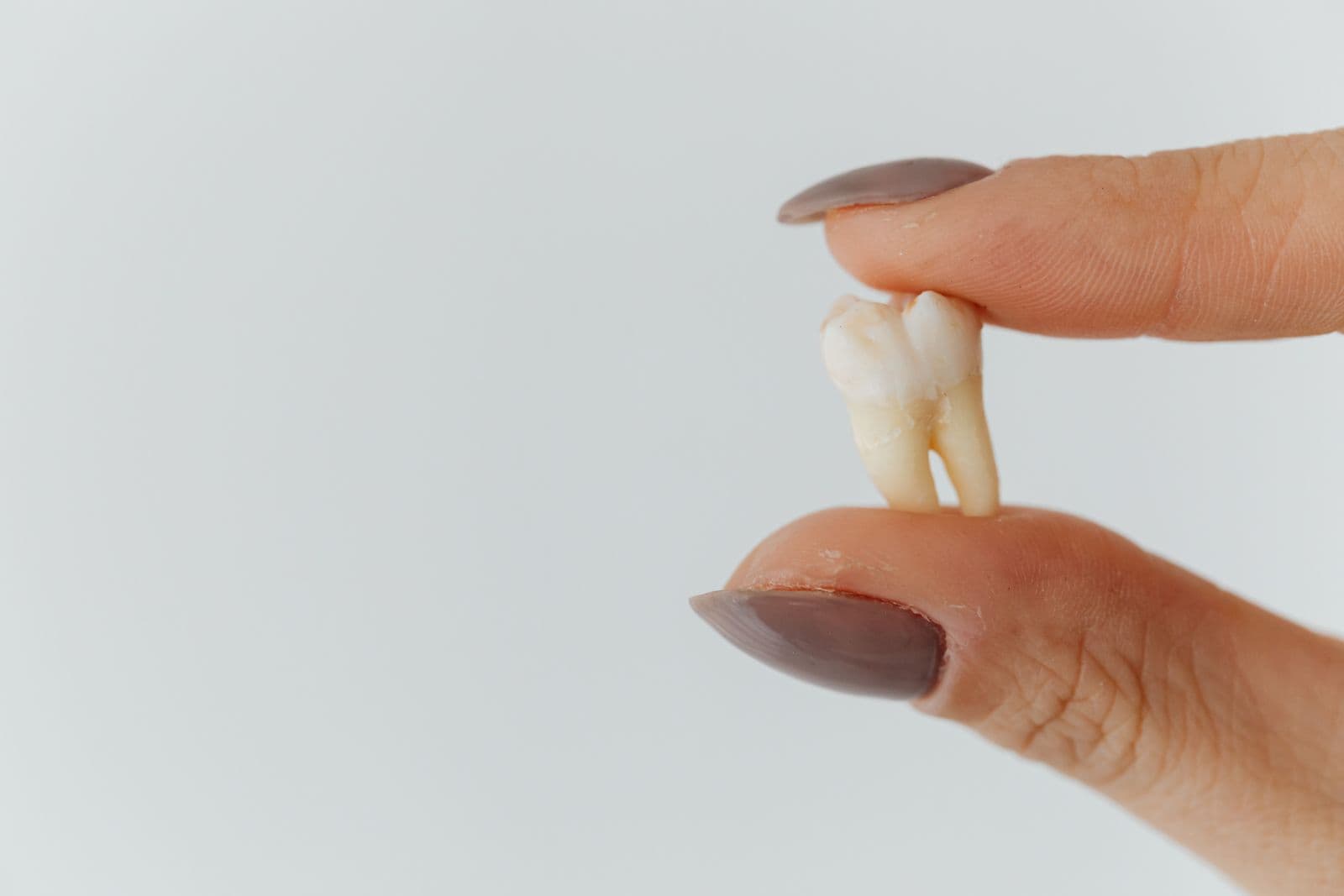
A knocked-out adult tooth is one of the most time-sensitive dental emergencies. A person should contact a dentist immediately. Prompt emergency dental care can improve the chance of saving the tooth. According to Healthdirect, care should ideally begin within 30 minutes where possible, and it may still be possible to save the tooth up to two hours after the injury in some cases. Treatment may still succeed later, but the chance of saving the tooth is generally better when care begins as soon as possible.
- Hold the tooth by the crown, not the root
- If dirty, rinse it briefly with clean water — don't scrub, scrape or soak it
- If the person is conscious and cooperative and it can be done safely, it may be gently returned to the socket
- Otherwise, keep the tooth moist in milk or saliva while care is arranged
A knocked-out baby tooth should not be put back into the socket because this could damage the developing permanent tooth.
When Do an Abscess or Dental Infection Need Prompt Care?
A dental abscess is a collection of pus caused by infection around or inside a tooth. Symptoms can include throbbing pain, facial swelling, fever, sensitivity or an unpleasant taste.
A suspected abscess needs prompt assessment because the source usually needs treatment. A person should seek dental care promptly rather than wait for the infection to settle on its own. If left untreated, an infection can sometimes spread beyond the affected area. It becomes a medical emergency when swelling affects breathing, swallowing or speaking, or when serious general illness develops. Our tooth abscess guide covers symptoms and treatment in more detail.
Emergency dental treatment depends on the cause and severity and is tailored to the clinical findings. It may involve drainage, treating or removing the affected tooth, or antibiotics when clinically appropriate. Antibiotics are not automatically needed and do not replace treatment of the source.
When Do Broken or Chipped Teeth Need Emergency Dental Care?
Broken or chipped teeth vary in urgency. A small painless chip may not need immediate treatment, while a loose, displaced or badly fractured tooth after trauma should be assessed by a dentist as soon as possible.
Some deeper fractures require emergency dental care, and immediate dental assessment may be appropriate after significant trauma. Severe pain, bleeding or sensitivity can indicate more serious damage. Even when an injury looks minor, cracks below the visible surface may not be obvious.
If a fragment has broken away, it can be placed in milk or sterile saline and taken to the dentist. A wrapped cold compress may be placed against the outside of the cheek if swelling is present.
What to Do About a Lost Restoration
A lost filling or crown is not always a same-day emergency when there is no significant pain. However, the exposed area may become sensitive or vulnerable to further damage. Earlier care is appropriate when the area is painful, sharp, exposed or loose. Until the appointment, hard foods should be avoided on that side, and the area should be kept clean.
Household glue should never be used to replace a restoration. Temporary dental cement should only be used according to its instructions and is not a substitute for professional care.
When Do Injuries to the Mouth and Bleeding Need Urgent Care?
Cuts to the lips, tongue or inside of the mouth can sometimes bleed heavily. Apply firm, continuous pressure with clean gauze or a clean cloth without repeatedly lifting it to check the area.
Current Healthdirect guidance states that bleeding from mouth or tongue cuts should usually stop within about 10 minutes of constant pressure. If it has not stopped after 10 minutes, urgent medical care should be sought.
Heavy bleeding, blood entering the throat or difficulty breathing requires immediate care. Airway concerns take priority, and 000 should be called if breathing is affected.
Dental Emergency?
Call us to discuss your symptoms
Our team can talk through the next appropriate step and any available appointment options. If it's a medical emergency, go to your nearest hospital first.
When Should Someone Go to Hospital Instead of an Emergency Dentist?
A hospital emergency department is appropriate when a dental situation affects breathing, swallowing, speaking or general safety. Most problems limited to the teeth are better assessed in a dental setting, but some serious dental emergencies require medical care.
| Situation | Where to go |
|---|---|
| Severe tooth pain, knocked-out tooth, suspected abscess, broken/displaced tooth | Emergency dentist |
| Difficulty breathing, speaking or swallowing | Hospital emergency department — call 000 |
| Severe swelling of the mouth, tongue, face or neck | Hospital emergency department |
| Heavy bleeding that cannot be controlled, or blood entering the throat | Hospital emergency department — call 000 |
| Major facial trauma or a suspected jaw injury | Hospital emergency department |
Dental services may still be needed after the immediate medical problem is stabilised. If there are no warning signs involving the airway, major trauma or uncontrolled bleeding, an emergency dentist is usually the more appropriate first point of care. After-hours access varies, and not every dental clinic is open 7 days. Emergency departments operate 24 hours a day, 7 days a week for medical emergencies.
What to Do Before an Emergency Dental Visit
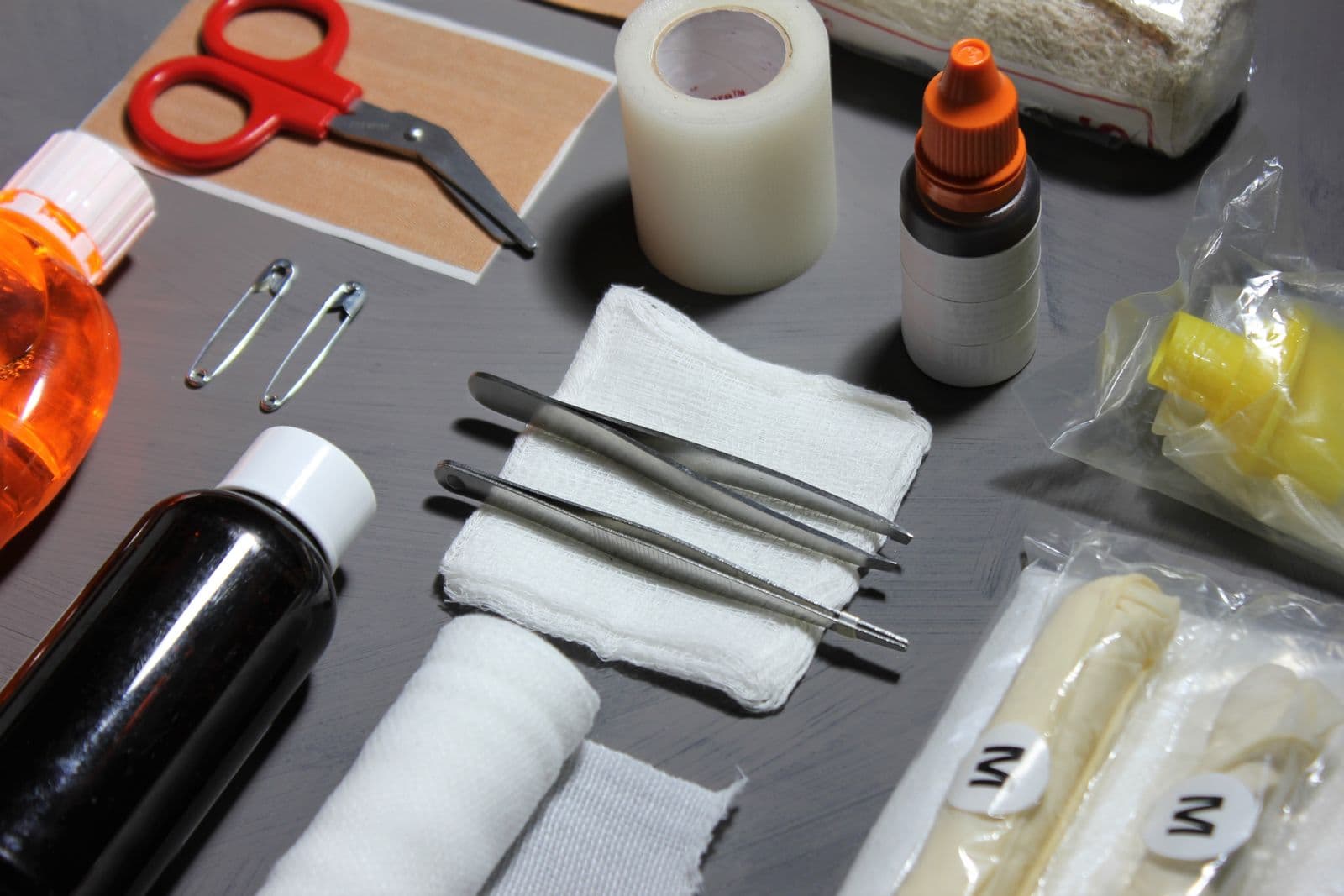
First aid can protect the area and make symptoms more manageable while urgent care is being arranged. It does not replace an examination or treatment. The right step depends on whether the problem involves pain, swelling, bleeding or physical damage.
Managing Toothache
The mouth can be gently cleaned with warm water, and a person can carefully floss to remove any food trapped between the teeth if this appears to be contributing to discomfort. A warm salt water rinse may provide temporary pain relief for mild symptoms — spit it out rather than swallowing. A wrapped cold compress or ice pack may help with swelling, and over-the-counter pain medication can be taken according to the label or advice from a pharmacist or doctor.
Protecting an Adult Tooth After It Is Knocked Out
Hold the tooth by the crown rather than the root. If dirty, clean it briefly with water without scrubbing the surface. It may be returned to the socket when this can be done safely and the person is conscious and cooperative — otherwise keep the tooth moist until a dentist can assess it.
Managing Swelling
A wrapped ice pack may help reduce swelling when applied to the outside of the face — ice should not be placed directly against the skin. Swelling associated with worsening pain, fever or infection should be assessed promptly. Swelling that affects breathing, talking or swallowing requires medical care.
Managing Bleeding
Apply firm pressure with clean gauze without repeatedly lifting the dressing, since this can interfere with clot formation. If bleeding has not stopped after around 10 minutes, seek urgent medical attention, and call 000 if breathing is affected or heavy bleeding is entering the throat.
What Happens During an Emergency Dental Appointment?
The visit usually begins with an assessment of the symptoms, affected area and surrounding tissues. The dentist may take an X-ray when needed to check for damage that cannot be seen during the examination.
The immediate aim is to identify the cause, manage pain where possible and decide whether treatment is needed. The clinician may stabilise an injury, address infection, temporarily protect an affected area or plan further care once the immediate problem is controlled. Some practices may offer same-day appointments for urgent concerns, but availability varies. Immediate pain relief or a complete fix cannot always be guaranteed because treatment depends on the cause and clinical findings.
Which Dental Issues Can Wait for a Regular Appointment?
Some concerns may be suitable for a routine appointment when symptoms are mild and stable — for example, a small painless chip, mild sensitivity or a lost restoration without significant pain.
However, injuries should still be assessed because hidden damage may not be visible. A minor crack or weakened restoration can worsen under normal chewing pressure. Symptoms should be monitored for changes — increasing pain, swelling, fever, bleeding or difficulty eating can mean the problem now needs more urgent care.
How Can Common Dental Emergencies Be Prevented?
Not every emergency can be prevented, particularly accidents. Regular care can help identify decay, weakened restorations, cracks and other concerns before they progress to severe pain or infection. Good dental hygiene can reduce the risk of decay and gum problems, and for activities where oral trauma is a risk, a professionally fitted mouthguard can help protect the teeth and surrounding tissues. Routine appointments also allow a dentist to monitor older restorations and weakened teeth before they become more serious.
When to See a Dentist for Urgent Dental Needs
Severe or persistent pain, a knocked-out tooth, significant swelling, suspected infection, uncontrolled bleeding and serious trauma all warrant prompt assessment.
At Campsie Dental Spa, call us to discuss your symptoms — our team will talk through the appropriate next step and any available appointment options.
Breathing or swallowing difficulty, or uncontrolled heavy bleeding? Go straight to hospital — that takes priority over calling us.
This guide is general information, not a substitute for professional assessment. If in doubt, or if breathing, swallowing or speaking is affected, seek emergency medical care immediately.
Common Questions
Frequently Asked Questions

Written by
Dr James (Jim) Sternhell
Principal Dentist, Campsie Dental Spa
Dr James Sternhell has been practising dentistry for over 20 years, with a particular focus on restorative and cosmetic treatments. He is passionate about helping patients understand their options so they can make confident, informed decisions about their dental care.