
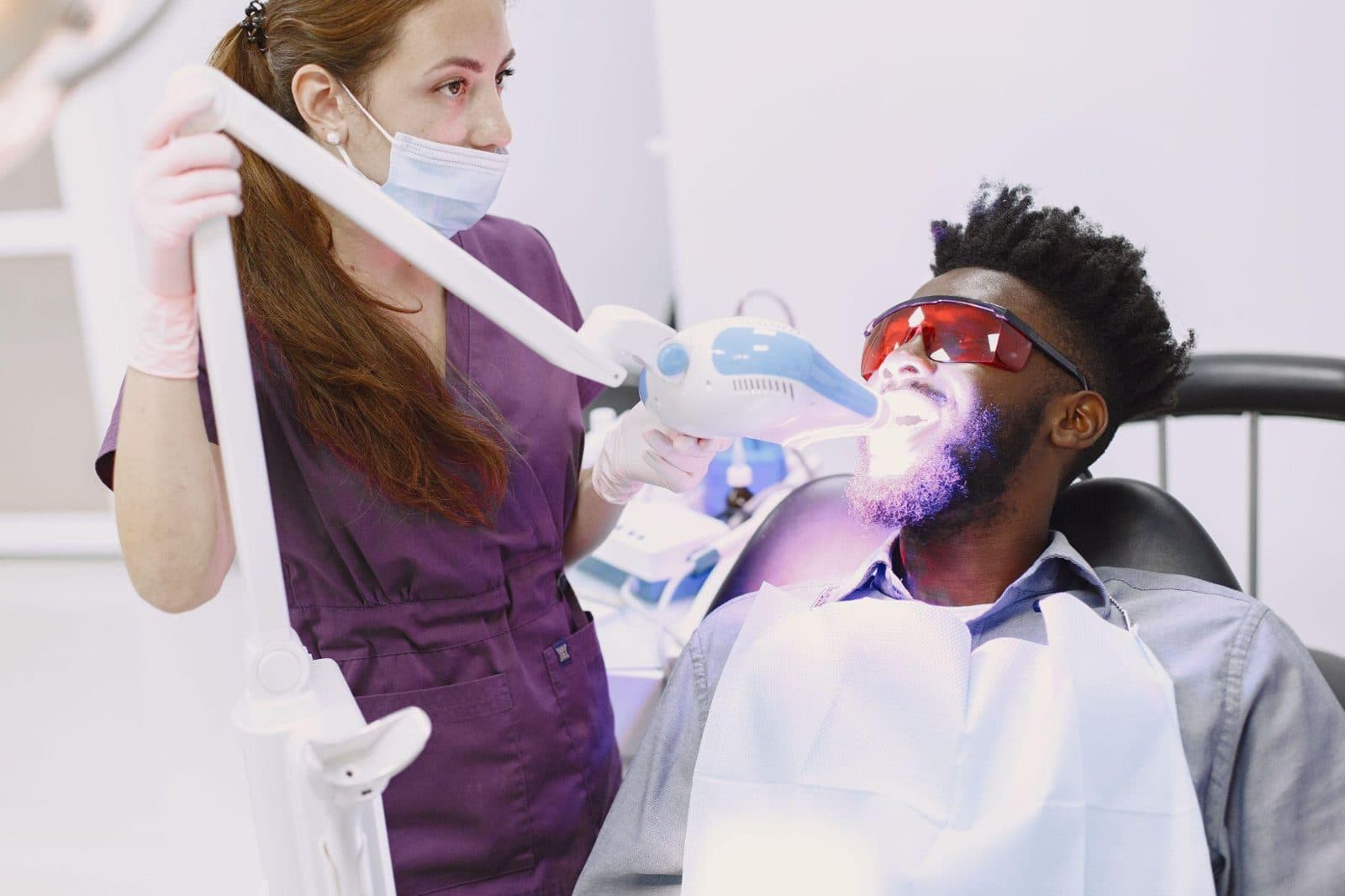
A brighter smile can make a difference, but how much should you expect to pay for teeth whitening?
Teeth whitening in Australia generally costs anywhere from about $5 to $1,500, depending on whether you use over-the-counter products, a dentist-prescribed take-home kit or professional in-chair whitening. In-chair treatment typically costs $500 to $1,500, while dentist-supplied take-home kits usually cost $250 to $600.
The right option depends on the result you want, the condition of your teeth and your budget. These are indicative market ranges rather than fixed fees.
Key takeaways
- In-chair whitening typically costs $500 to $1,500; dentist take-home kits usually cost $250 to $600
- Over-the-counter products are cheaper ($5 to $100) but results can be more modest and less predictable
- Check what a quote includes — an examination, trays, gel and aftercare can change the real cost
- Products stronger than 6% hydrogen peroxide or 18% carbamide peroxide can only be supplied or used by registered dental practitioners
How Much Does Teeth Whitening Cost in Australia?
Prices vary considerably between professional treatment and products bought for home use. Professional whitening costs more because it includes a clinical assessment, specialised bleaching products and dentist supervision.
This table outlines common options. Actual fees differ between clinics and locations, so treat it as a guide only.
| Whitening option | Typical cost (AUD) | Treatment time | Expected results | Where to access |
|---|---|---|---|---|
| In-chair whitening | $500 to $1,500 | Usually one appointment | Noticeable whitening after one visit | Dental clinics |
| Dentist take-home kits | $250 to $600 | Several days to weeks | Gradual, controlled whitening | Dental clinics |
| Combination treatment | Often from about $800 | Clinic visit plus home use | Initial whitening with ongoing maintenance | Some dental clinics |
| Over-the-counter strips and kits | $20 to $100 | Varies by product | Usually more modest results | Pharmacies, retailers |
| Whitening toothpaste | $5 to $20 | Regular brushing | Mainly removes surface stains | Supermarkets, pharmacies |
The price also depends on what the package includes. Some clinics include an examination, shade assessment and aftercare instructions, while others charge for them separately.
How Much Does In-Chair Teeth Whitening Cost?
In-chair whitening typically costs $500 to $1,500 per session. A bleaching gel is applied under dental supervision, often giving visible results in a single appointment.
It suits people wanting faster results before an event, or who prefer a supervised procedure. The final price depends on the system used, appointment requirements and any preparation needed.
How Much Do Professional Take-Home Whitening Kits Cost?
Dentist-prescribed take-home kits generally cost $250 to $600. They usually include custom-fitted trays, professional-grade whitening gel and instructions for safe use at home.
You whiten gradually without repeated clinic visits. Results develop over several days or weeks, depending on the prescribed system and how your teeth respond.
How Much Do Over-the-Counter Whitening Products Cost?
Over-the-counter products generally cost $5 to $100, depending on whether it's a toothpaste, strips or a home kit. They're sold through supermarkets, pharmacies and online retailers.
Home kits have a lower price tag but may give less noticeable results than professional treatment. Product quality and bleaching agent concentration vary, so professional advice is worthwhile before you start.
What Affects Teeth Whitening Cost?

Several factors affect cost, including the type of treatment, how severe the discolouration is and what's included in the quoted fee. A dental assessment can also identify conditions that need treatment before whitening begins.
Type of whitening treatment
In-clinic whitening generally costs more because it needs clinical equipment, professional oversight and a supervised appointment.
Take-home whitening offers flexibility, and pharmacy products tend to be cheaper. But the lowest upfront price doesn't always give the most suitable result.
Condition and colour of the teeth
Deeper discolouration may need a different approach from mild surface stains. The cause of the staining matters too, because not every type responds to conventional bleaching.
A cavity, cracked tooth or gum disease may need attention before whitening is considered. Any necessary treatment adds to the overall expense.
Treatment inclusions and additional fees
The total can include more than the bleaching itself. Before comparing offers, confirm whether the quote includes:
- An initial dental examination and shade assessment
- Whitening materials and custom trays, where applicable
- Additional appointments or touch-up products
- Aftercare instructions and sensitivity management
For example, a $400 kit that doesn't include an examination may cost more overall than a higher-priced package that does.
Professional Teeth Whitening vs At-Home Kits: Which Is Better?
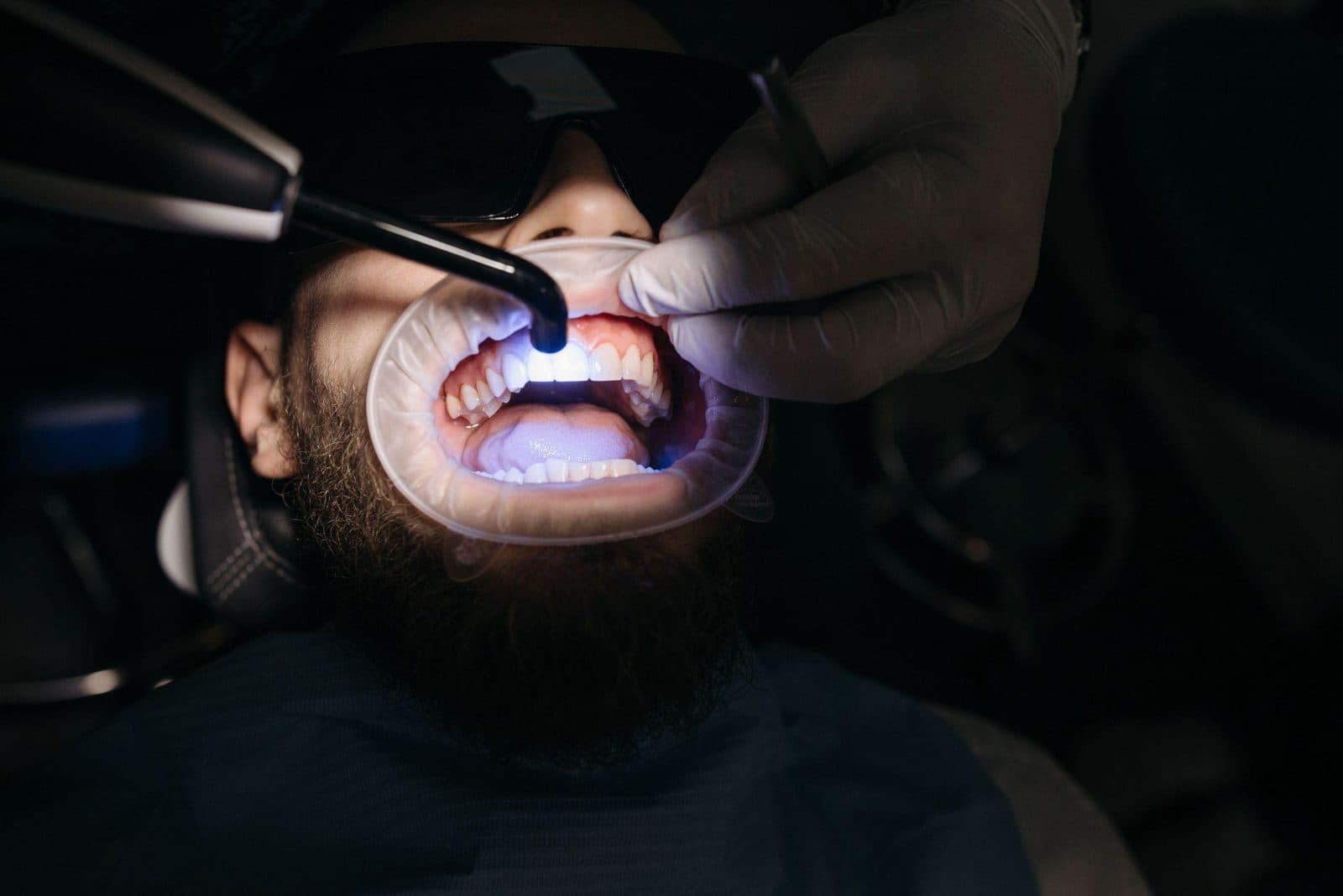
Professional whitening offers dentist supervision, stronger bleaching products where clinically appropriate and personalised planning. At-home products are usually cheaper, but how well and how safely they work depends on the ingredients, how you apply them and the condition of your teeth.
The best option depends on whether you prioritise convenience, budget, speed or clinical supervision.
Professional in-chair whitening
A bleaching product is applied directly to the teeth at the clinic. The gums are protected, and some systems use a specialised light.
It can produce immediate results, although the amount of colour change varies. It's often preferred when a noticeable improvement is needed in a shorter time.
Dentist-supervised take-home whitening
This uses customised trays and a prescribed bleaching formula. The trays help spread the gel across your teeth as your dentist instructs.
It can produce substantial whitening over time without doing the whole process in the clinic. The slower schedule doesn't necessarily mean a poorer final result.
Over-the-counter home whitening kits
These include generic trays, strips and whitening pens. They're convenient and cost less, but results can be limited or uneven.
Generic trays may also fit less precisely than custom ones. If you have sensitive teeth or existing restorations, get professional advice before starting.
Is Professional Teeth Whitening Worth the Cost?
It can be, if you want a noticeable colour improvement planned around your dental condition. Compared with unsupervised home products, professional care adds assessment, tailored whitening strength and guidance for managing sensitivity.
The value depends on the cause of the discolouration and the results achievable for you.
Benefits of professional whitening
- Personalised assessment: a dentist checks whether your teeth and gums are suitable for bleaching
- Controlled application: products are chosen and applied according to clinical needs
- Targeted results: treatment can address suitable discolouration while considering existing restorations
- Aftercare guidance: advice on maintaining results and managing sensitivity
These benefits may justify a higher price if you prefer a clinically supervised approach.
When cheaper whitening may be enough
Over-the-counter products may suit some adults with healthy teeth and mild external staining, if used correctly. Whitening toothpaste can help remove certain surface stains, but it doesn't bleach the way professional treatment does.
A dental clean can also improve teeth affected by plaque or surface staining. Often a professional clean is a better first step than bleaching. See our check-up and clean service.
Is Teeth Whitening Safe?
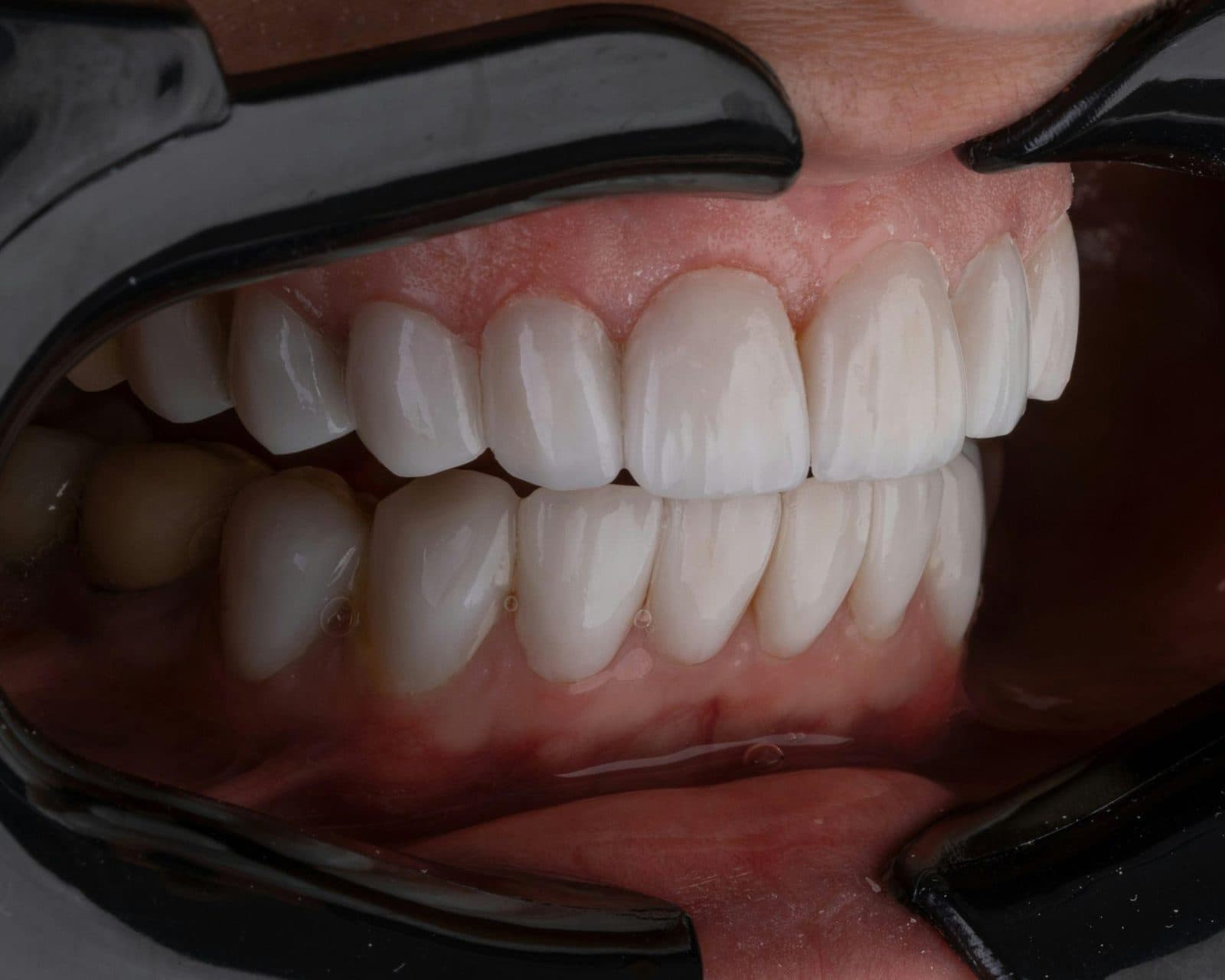
Whitening is generally considered safe when suitable products are used correctly under professional guidance. But bleaching agents can cause temporary tooth sensitivity, gum irritation and, with improper application, chemical burns.
Under the Poisons Standard, products containing more than 6% hydrogen peroxide or 18% carbamide peroxide can only be supplied or used by registered dental practitioners. The Dental Board of Australia and the Australian Dental Association both set out this position.
Possible side effects of whitening
Temporary sensitivity is one of the most common side effects. It may occur during treatment or shortly after, particularly with cold temperatures.
Gel can also irritate the gums if it touches them. Sensitivity or irritation lasting longer than a day or two should be assessed by a dental professional. See Healthdirect for more on whitening risks.
Who should avoid teeth whitening?
Whitening isn't suitable for everyone, particularly when oral health problems are untreated. A dentist should assess suitability first. It may be unsuitable, or need to be postponed, if you have:
- Untreated tooth decay, cracks or gum disease
- Significant pre-existing tooth sensitivity
- Pregnancy or breastfeeding — the Australian Dental Association advises avoiding whitening, as there's no evidence either way on its safety
- Dental restorations that won't respond to bleaching
The bleaching concentration must also suit you. Higher concentrations need particular care to limit sensitivity and tissue irritation.
How Long Do Teeth Whitening Results Last?
Results are temporary. How long they last depends on the treatment method, your diet and your oral hygiene. Professional whitening can stay noticeable for months or longer, but gradual staining and colour change are normal.
What makes whitening results fade faster?
Teeth can stain again through regular exposure to strongly coloured foods and drinks. Smoking and inconsistent oral hygiene also affect how whitened teeth look.
Common contributors are coffee, tea, red wine and tobacco. Natural changes in tooth colour over time play a part too.
How can whitening results be maintained?
Consistent oral hygiene, regular dental appointments and sensible aftercare help. Your dentist may also suggest occasional touch-ups with a suitable take-home system. Practical measures include:
- Brushing twice daily with fluoride toothpaste
- Cleaning between the teeth
- Rinsing with water after stain-causing drinks
- Keeping your custom trays for future touch-ups, if prescribed
Choosing the Right Teeth Whitening Option in Australia
Choosing between professional whitening and home kits involves more than the upfront price. The best approach balances safety, expected results, ongoing maintenance and the total fee. A dental consultation can establish whether bleaching is appropriate.
Questions to ask before booking
A clear quote should explain what's included and whether extra appointments are likely. Ask:
- Is an initial examination or clean included?
- Which whitening system and products will be used?
- How long does treatment take, and when will results appear?
- Do touch-up gel or replacement trays cost extra?
- Are flexible payment plans available?
A written estimate makes it easier to compare prices without missing related costs.
Finding the Right Balance Between Whitening Cost and Results
Whitening in Australia can cost from about $5 for basic home products to $1,500 for professional treatment. In-chair whitening suits those wanting faster results, while dentist-supplied take-home kits are a more gradual option, usually at a lower price.
At Campsie Dental Spa, we offer in-chair whitening and custom take-home kits, with recommendations based on your dental needs. We can assess your discolouration, discuss suitable options and explain the costs involved.
This guide is general information, not a substitute for professional assessment. Prices shown are indicative market ranges and vary between clinics and patients.
Common Questions
Frequently Asked Questions

Written by
Dr James (Jim) Sternhell
Principal Dentist, Campsie Dental Spa
Dr James Sternhell has been practising dentistry for over 20 years, with a particular focus on restorative and cosmetic treatments. He is passionate about helping patients understand their options so they can make confident, informed decisions about their dental care.