
A tender, swollen gum at the back of the mouth can be the first sign a wisdom tooth needs attention. It doesn't always mean the tooth has to come out.
Wisdom teeth removal is used when the third molars cause pain, infection, decay, damage or other problems. Not every wisdom tooth needs to go, so an examination and dental X-ray are usually needed before treatment is recommended.
This guide covers the signs wisdom teeth may need treatment, impacted wisdom teeth, removal options, cost in Sydney, possible side effects and what recovery usually involves.
Key takeaways
- Wisdom teeth only need removing when they cause or risk a problem — healthy ones that can be kept clean may just be monitored
- Upper wisdom teeth can often be removed under local anaesthetic; lower or deeply impacted teeth can be harder and may need sedation or general anaesthetic
- Healthdirect says most people can return to normal activities within a week, though the wound can take up to two weeks to heal
- Severe pain a few days after removal, heavy bleeding, fever or worsening swelling should be checked, as they can point to dry socket or infection
What Are Wisdom Teeth and Why Can They Cause Problems?
Wisdom teeth are the third molars, at the very back of the upper and lower jaws. There are normally four, although some people have fewer, more or none at all.
They're the last permanent teeth to appear. Healthdirect says they usually come through around the age of 18 to 25. Problems can develop when there isn't enough room for a tooth to emerge into a healthy position.
What does it mean when a wisdom tooth is impacted?
An impacted wisdom tooth can't erupt normally because bone, gum or a nearby tooth is in the way. It may stay fully beneath the gum or only partly emerge.
A partly erupted tooth can leave a flap of gum where food and bacteria get trapped. Impacted teeth can also lean towards neighbouring teeth, making the area harder to keep clean.
Do wisdom teeth always cause problems?
No, and they don't automatically need to be removed. A tooth that has room to erupt, can be cleaned well and isn't harming surrounding structures may simply be monitored.
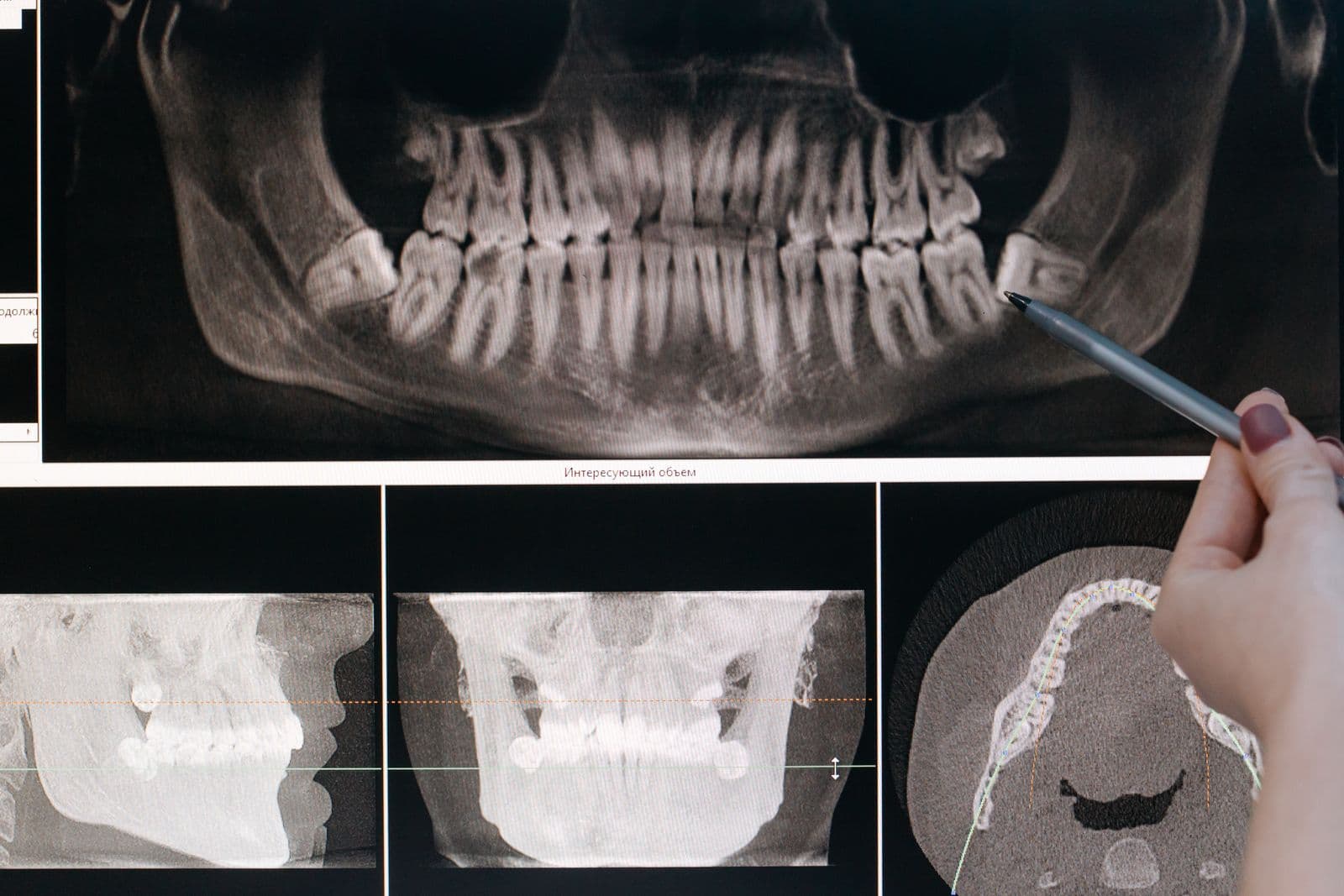
Regular check-ups let your dentist track the wisdom teeth and nearby teeth over time. An X-ray may be recommended when a tooth's position can't be fully assessed in a routine examination.
What Signs Suggest Wisdom Teeth Need to Be Removed?
Removal may be needed when wisdom teeth repeatedly cause pain, infection, decay or damage to surrounding teeth and gum. Healthdirect lists repeated or serious gum infection, decay, and a tooth growing out far enough to damage the cheek or gum. Your dentist weighs your symptoms against the tooth's position first.
Signs that warrant a dental assessment:
- Persistent or recurring wisdom tooth pain
- A red, tender or swollen gum around the tooth
- Food repeatedly trapped behind the molars
- An unpleasant taste or bad breath
- Difficulty opening the mouth
- Swelling around the jaw or face
- Decay in the wisdom tooth or a neighbouring tooth
- Repeated infection around a partly erupted tooth
Cysts or other jaw problems can also be a reason for removal.
Can wisdom teeth coming through cause pain?
Yes, temporarily. Tenderness or pressure is common as a tooth erupts through the gum. But persistent, severe or recurring pain shouldn't automatically be put down to normal eruption.
Wisdom tooth pain can also come from inflammation, infection, decay or an impacted tooth. A dentist can tell which it is.
When does swelling need urgent attention?
Severe or increasing swelling around a wisdom tooth can indicate infection and should be assessed promptly. Facial swelling, fever, difficulty swallowing or difficulty opening the mouth can also occur with dental infection.
Swelling that affects breathing or swallowing needs urgent medical attention — call 000 or go to your nearest emergency department. Dental infections can spread beyond the tooth and gum, so rapidly worsening symptoms shouldn't be ignored. See our tooth abscess guide.
How Does a Dentist Decide Whether Removal Is Needed?
Your dentist looks at symptoms, the condition of the teeth and gum, available space, the tooth's position and its effect on nearby structures. Imaging shows things a clinical examination can't.
Removal may be recommended when the likely benefits outweigh the risks of continuing to monitor. Healthy wisdom teeth that aren't causing problems may be reviewed periodically instead.
What happens during the consultation?
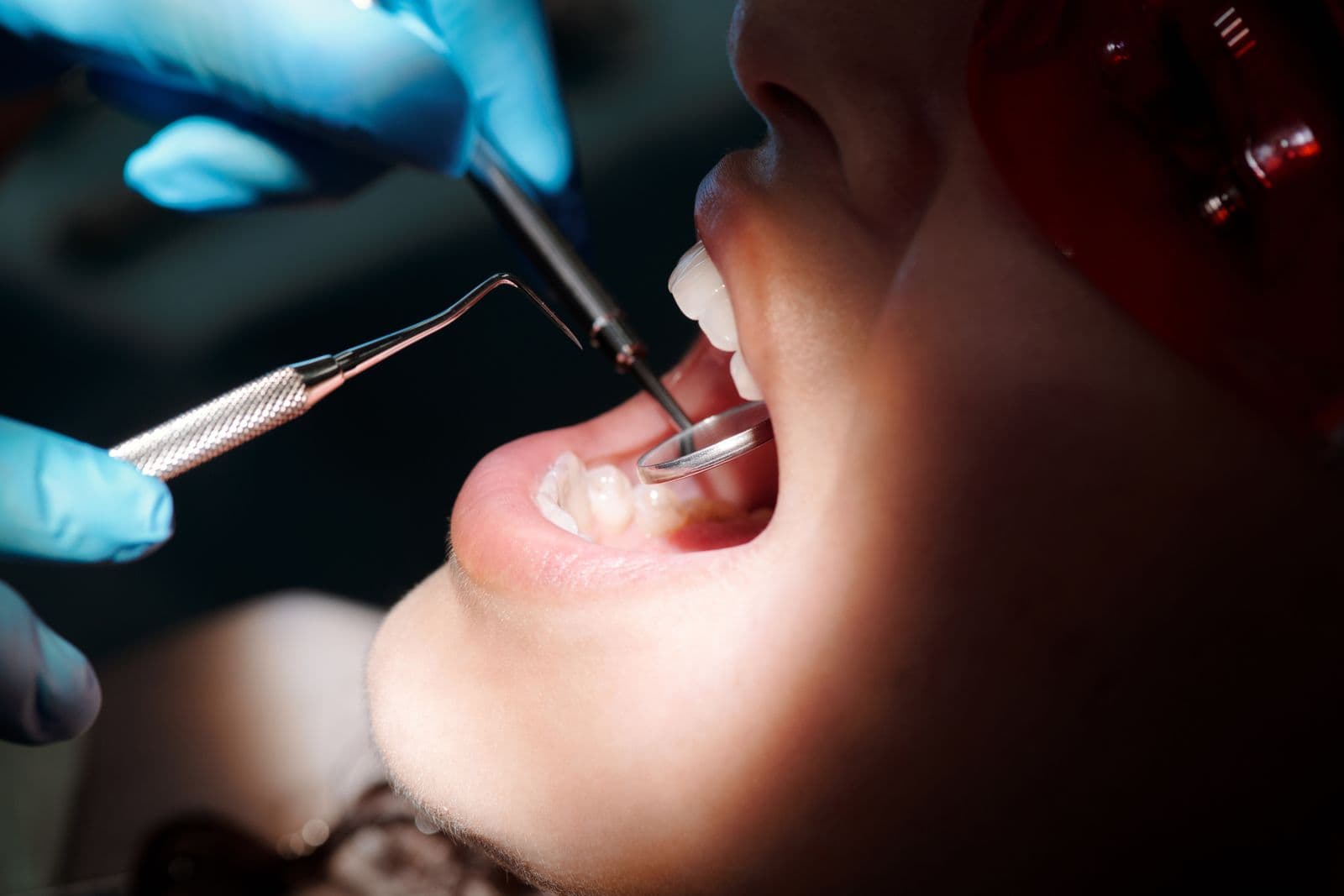
A consultation generally includes examining the wisdom tooth, surrounding gum and neighbouring teeth. Your dentist also considers previous infections, current pain and any health issues that could affect treatment.
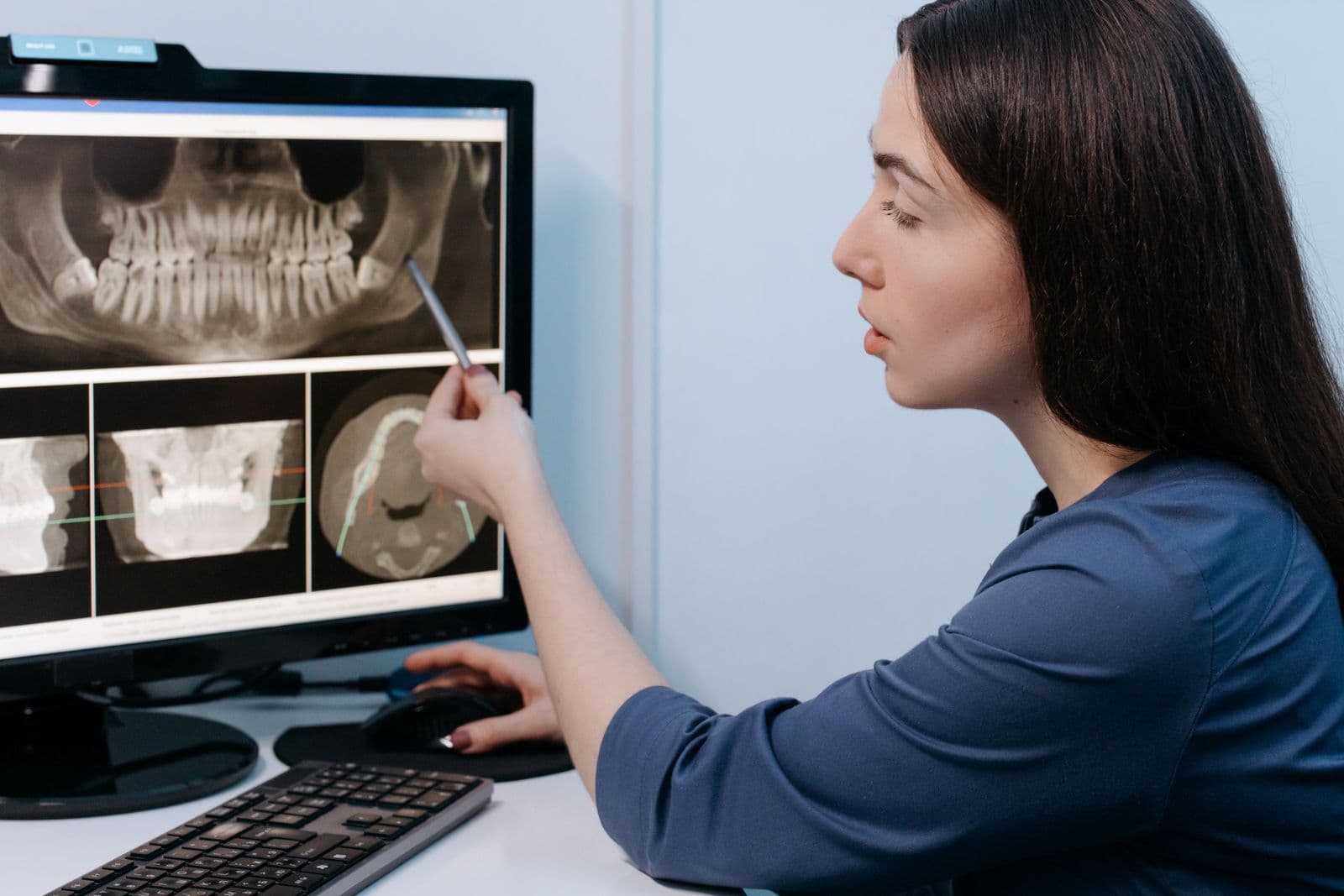
An X-ray may be used to assess the roots, jawbone and the position of impacted teeth. This also helps decide how complex the extraction is, and whether it suits a dental clinic or needs referral to an oral surgeon.
Does every impacted wisdom tooth need extraction?
No. An impacted tooth that's healthy and unlikely to cause problems doesn't automatically need to come out. It depends on its position, symptoms, access for cleaning and potential effect on nearby teeth. Removal may become appropriate if it causes repeated infection, decay, pain or damage.
Wisdom Teeth
Not sure if yours need to come out?
An examination and X-ray show whether to monitor, extract or refer.
What Happens During a Wisdom Teeth Removal Procedure?
The treatment area is numbed before the tooth is loosened and removed. More complex teeth may need a surgical procedure: a small cut in the gum, removal of some bone, or dividing the tooth into smaller sections.
According to Healthdirect, most upper wisdom teeth can be removed under local anaesthetic, while lower ones can be harder to remove and a sedative may be offered if it's likely to be difficult. General anaesthetic is given in hospital. Which is used depends on the procedure, your medical circumstances and the setting.
What is a simple wisdom teeth extraction?
This may be possible when the tooth has erupted enough to be reached easily. The dentist loosens the tooth with instruments and lifts it from its socket.
Local anaesthetic numbs the area so you don't feel pain. You may still notice pressure and movement.
What happens with impacted wisdom teeth?
Removal can involve opening the gum to reach the tooth. A small amount of bone may need to be removed, and the tooth may be divided into sections so it can come out safely.
The site is then cleaned and may be closed with stitches. The exact technique depends on the angle of the tooth, its roots and its relationship to neighbouring teeth and structures.
What Are the Main Wisdom Teeth Treatment Options?
Treatment depends on whether a wisdom tooth is healthy, fully erupted, partly erupted or impacted. Monitoring, simple extraction and surgical removal are all possible.
| Option | Usually suited to | Anaesthesia | Typical setting | Where arranged |
|---|---|---|---|---|
| Monitoring | Healthy wisdom teeth without active problems | None | Dental clinic | General dentist |
| Simple extraction | Fully or mostly erupted tooth with straightforward access | Local anaesthetic | Dental clinic | General dentist |
| Surgical extraction | Impacted, angled or difficult wisdom tooth | Local anaesthetic, with sedation in selected cases | Dental clinic or surgical practice | Dentist or oral surgeon |
| Removal under general anaesthetic | Selected complex cases or circumstances needing hospital-based care | General anaesthetic | Hospital or day surgery | Dental surgeon or oral surgeon |
The setting is decided after assessment, not by the number of teeth alone. All four wisdom teeth can sometimes be removed in one appointment, but removing several together isn't appropriate in every case.
How Much Does Wisdom Teeth Removal Cost in Sydney?
Cost varies with the number of teeth, whether they're impacted, the complexity of the surgery, imaging, the type of anaesthesia and the setting. An examination and X-ray are normally needed before an accurate individual quote.
As a general guide, CHOICE, reporting Australian Dental Association fee-survey data from 2022, put a simple wisdom tooth removal by a general dentist (including local anaesthetic) at about $149 to $300 per tooth. A complex removal by a specialist in hospital or day surgery was about $315 to $599 per tooth, before day-surgery and anaesthetist fees.
Those figures are a few years old and are a guide only, not a fee schedule. Ask any practice for a written quote based on your own examination.
Why can an impacted wisdom tooth cost more to remove?
Treatment may need extra surgical steps, a longer appointment and more planning. The tooth's position in the bone, root shape and closeness to nearby structures all affect difficulty.
Sedation, hospital fees, anaesthetist fees and specialist treatment can add to the total when they're needed.
Does removing four wisdom teeth cost four times as much?
Not necessarily. Fees depend on the complexity of each tooth and any shared costs for imaging, anaesthesia or the setting. The number of teeth is only one part of the final fee. Private health rebates also vary with your policy and available dental benefits — see our health funds page.
What Is Wisdom Tooth Extraction Recovery Like?

The Better Health Channel says it's normal for the jaw and gum to be sore, swollen and bleed a little for a few days after a wisdom tooth comes out. Healthdirect says you may need up to a week off work and should be able to return to normal activities within a week.
The wound itself can take up to two weeks to heal, and more complex surgery may need a longer recovery.
What should happen in the first 24 hours?
Protecting the blood clot in the socket supports healing. Healthdirect's tooth extraction advice for the first day is:
- Try not to rinse your mouth, as it can dislodge the blood clot
- Rest, and avoid physical sport
- Don't smoke
- Don't drink alcohol
Soft foods and suitable fluids are more comfortable while the area is tender. Take any prescribed or recommended pain relief as directed by your clinician or pharmacist, and follow any different instructions your dentist gives you.
When can normal brushing and eating resume?
Oral hygiene usually returns gradually, avoiding direct pressure on the healing socket. Teeth away from the surgical site can generally still be cleaned carefully, and your dentist may give specific advice for cleaning around the extraction site.
Diet can progress as comfort improves. Hard, sharp or hard-to-chew foods can irritate the area for the first few days, especially after a more complex extraction.
What Are the Possible Side Effects and Complications?
Common effects are pain, swelling, bruising, bleeding and temporary jaw stiffness. They usually settle as you heal, but worsening symptoms can point to a complication.
Less common complications include infection, dry socket, retained root fragments, damage to nearby teeth, sinus problems and nerve injury. Your individual risk depends partly on the tooth's position and how complex the removal is.
What is dry socket?
Dry socket happens when the protective blood clot in the socket doesn't form properly or is lost before healing is well under way. That can leave bone and nerves exposed and cause severe pain.
Healthdirect reports it occurs in about 1 in 20 tooth extractions and is more common after lower wisdom tooth removal. The main sign is severe, ongoing throbbing pain within 1 to 3 days, often with bad breath or an unpleasant taste. If that happens, contact your dentist. The Better Health Channel notes it's more likely in people who smoke or have difficulty healing.
What about nerve injury?
Healthdirect notes that, particularly with lower wisdom teeth, nerves connecting to the lip and tongue can be damaged, leading to loss of feeling in the lip, chin or tongue. It says full recovery can take up to 18 months. Your dentist can explain how likely this is for your tooth based on its position on the X-ray.
When should a dentist be contacted after removal?
Healthdirect advises contacting your dentist for:
- Ongoing, very bad pain
- A lot of bleeding
- A fever (temperature over 38°C)
- Swelling that doesn't go down or gets worse
Recovery should generally get easier over time. Pain that suddenly worsens after an initial improvement should be checked promptly.
Making an Informed Decision About Wisdom Teeth Removal
Removal is usually recommended because a tooth is causing a current problem or poses a meaningful risk to nearby teeth and gum. The decision rests on:
- Your symptoms and examination findings
- Dental imaging
- The risks and benefits of treatment — not just the presence of wisdom teeth
At Campsie Dental Spa, we assess the wisdom teeth, neighbouring teeth, gum and imaging before discussing whether monitoring, simple extraction or surgical removal is appropriate. We explain the findings, options, expected recovery and likely fees.
This guide is general information, not a substitute for professional assessment. Costs and recovery vary between patients and procedures.
Common Questions
Frequently Asked Questions

Written by
Dr James (Jim) Sternhell
Principal Dentist, Campsie Dental Spa
Dr James Sternhell has been practising dentistry for over 20 years, with a particular focus on restorative and cosmetic treatments. He is passionate about helping patients understand their options so they can make confident, informed decisions about their dental care.