
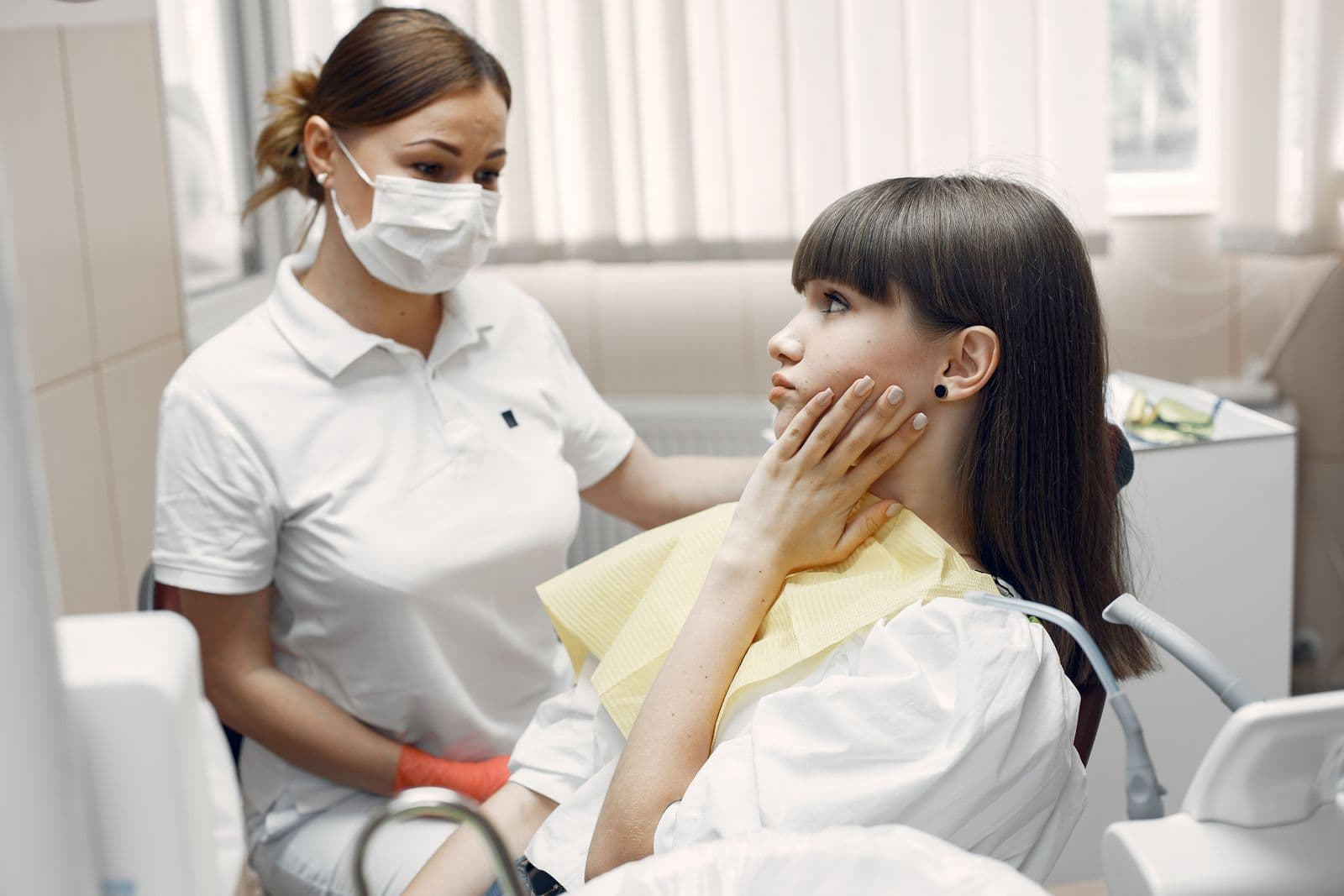
A chipped tooth can happen suddenly, and it may be more serious than it first appears.
A chipped tooth has lost part of its enamel or deeper tooth structure, often after an impact, biting something hard or gradual weakening. Some chips cause little discomfort. Deeper damage can expose sensitive layers and need prompt dental care.
This guide covers what to do first, which warning signs need urgent attention and how the repair options compare. Australian health guidance is to have a chipped or cracked tooth assessed by an oral health professional, even when it doesn't hurt.
Key takeaways
- Chipped or cracked teeth may or may not hurt, but either way they should be assessed by an oral health professional as soon as possible
- Keep any broken fragment in milk or sterile saline and take it to the dentist
- Severe pain, a loose or displaced tooth, or signs of infection need prompt dental care; trouble breathing or heavy bleeding into the throat needs 000
- Repair can range from smoothing or bonding to a veneer, crown or root canal treatment, depending on how much tooth is affected
What Is a Chipped Tooth and How Serious Can It Be?
A chipped tooth is one where a small or large section has broken away. How serious it is depends on the extent of the damage, the part of the tooth affected and whether the inner layers or pulp are involved.
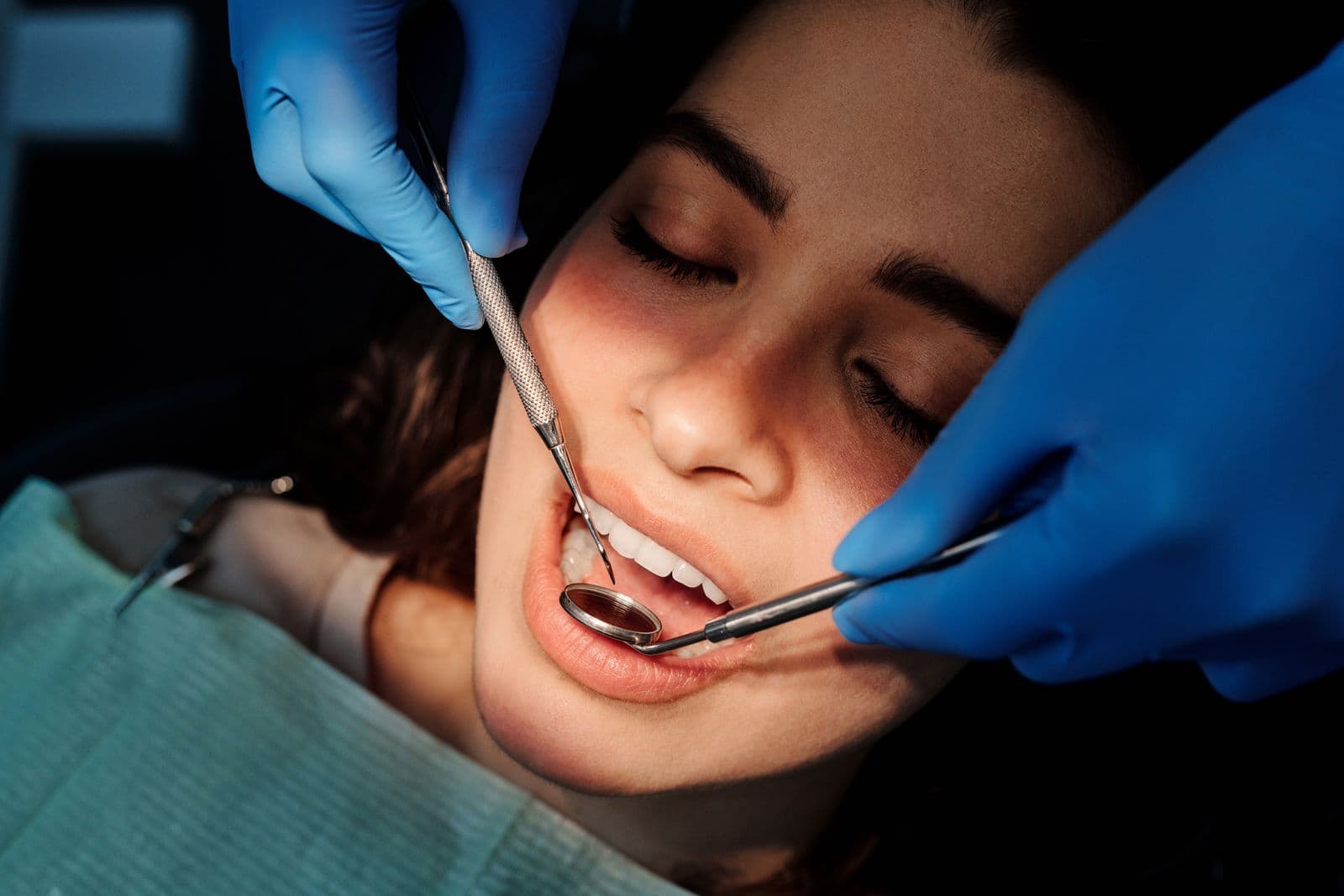
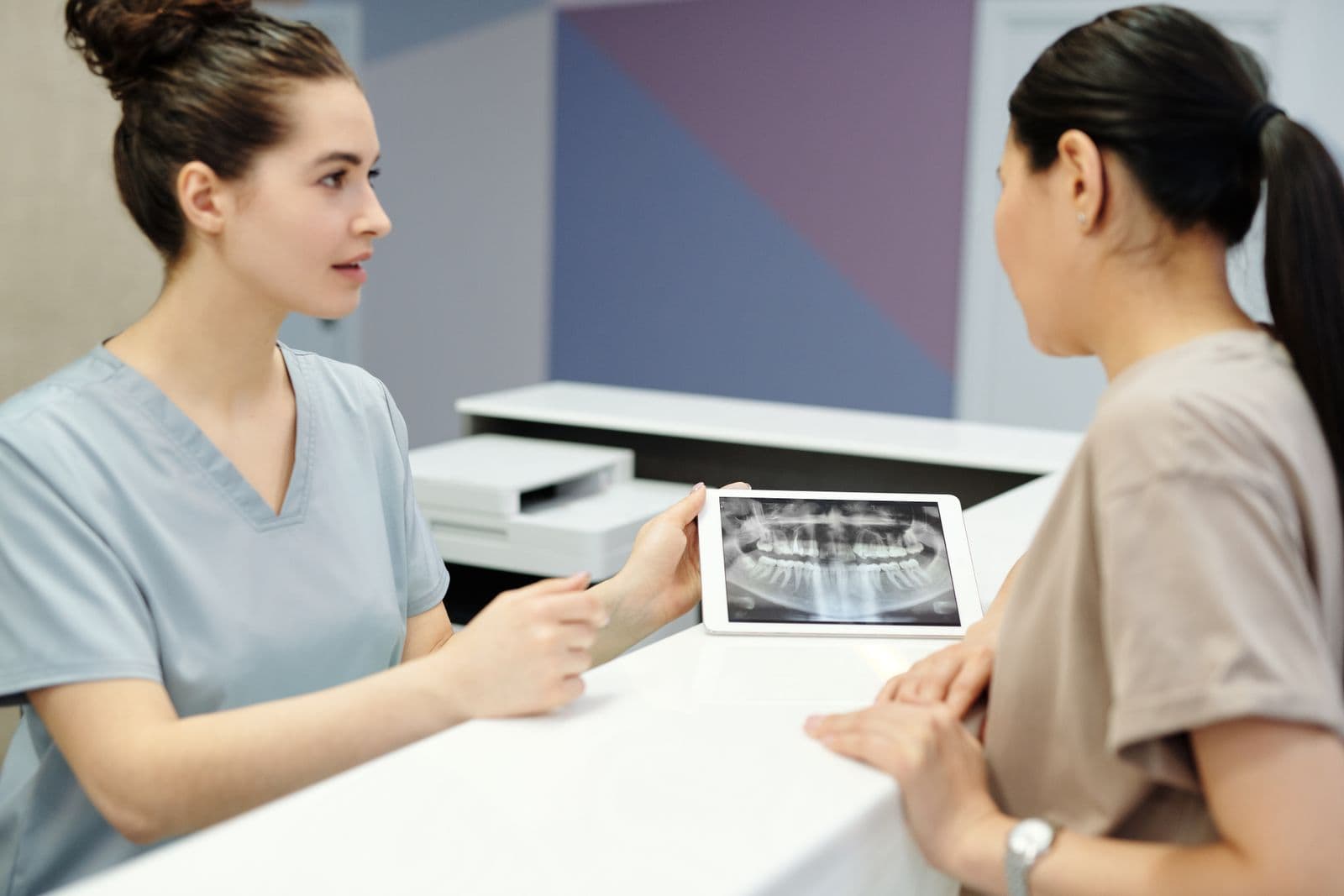
A small enamel chip may mainly affect appearance. A deeper fracture can cause sensitivity, pain or trouble biting. A dentist may examine the tooth and take an X-ray to see how much tooth structure is affected.
What does a minor chip look like?
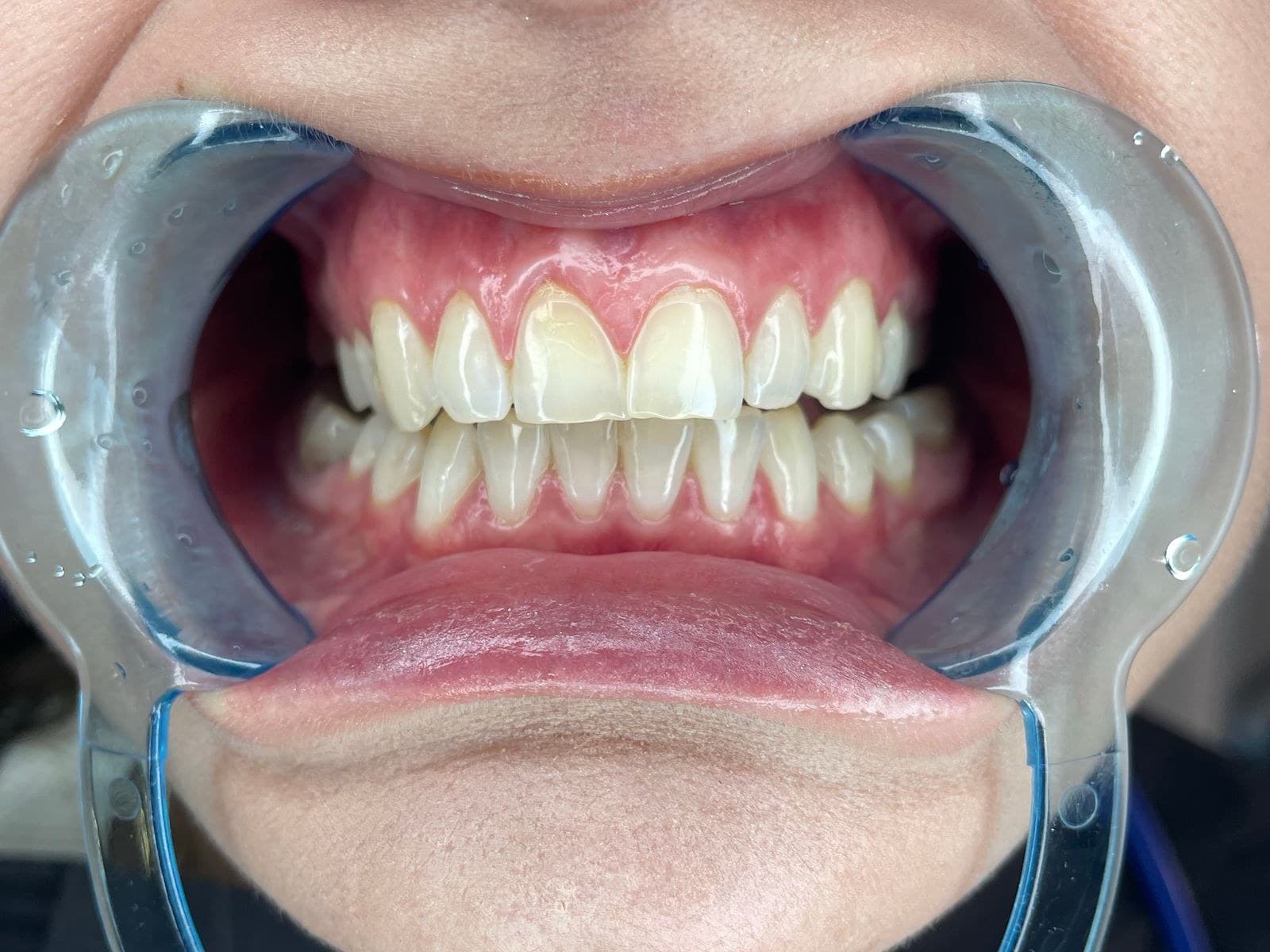
A minor chip usually involves only the outer enamel and may leave a small rough or uneven edge. It can be painless, because the damage hasn't reached the more sensitive inner layers.
Even a small chip should be checked. Minor damage may be smoothed, restored with a tooth-coloured filling or treated with dental bonding, depending on its location and appearance.
What happens when a chip reaches deeper into the tooth?
Deeper fractures can involve the dentine or the pulp, which contains nerves and blood vessels. The tooth may become sensitive to temperature, hurt under pressure or develop persistent pain.
Healthdirect notes that if the pulp has been injured you may need root canal therapy, and that a cracked or broken tooth may need a crown. Which applies depends on the severity and how much healthy structure remains.
Is a chipped front tooth different?
A chipped front tooth is often more noticeable when you speak or smile. Treatment still depends mainly on how much healthy tooth remains, not appearance alone.
Small chips may be repaired with composite resin. A larger cosmetic defect may suit a veneer or another restoration. Porcelain veneers are thin shells fitted to the front surface and can be used for some chipped, broken or irregularly shaped teeth.
What Should Happen Immediately After Chipping a Tooth?
The first steps are to protect the damaged area, save any broken fragment and arrange a dental assessment. Early treatment can reduce the chance of longer-term problems after dental trauma.
Simple first aid can make the time before treatment safer and more comfortable.
Save any piece of the broken tooth
If part of the tooth can be found, handle it carefully and take it to the dentist. Healthdirect advises placing it in milk or a sterile saline solution.
The Better Health Channel similarly suggests milk or the person's own saliva, sealed in a container or plastic wrap, and seeing an oral health professional as soon as possible.
Control bleeding and swelling
Bleeding from the gums or surrounding tissue can be managed at first with gentle pressure from clean gauze or cloth. A cold compress against the outside of the face may help with swelling.
Avoid hard foods around the damaged area. Soft foods reduce pressure, and don't chew on the affected side if biting hurts.
Avoid making the damage worse
Don't test the tooth repeatedly by biting on something hard. Hard or sticky foods can put unnecessary pressure on weakened tooth structure.
Avoid using your teeth to tear packaging, open containers or hold hard objects. These habits can cause chips and damage natural teeth or existing restorations.
Chipped or Broken a Tooth?
Call us to discuss it
Our team can talk through the next step and any available appointment options.
When Is a Chipped Tooth an Emergency?
A chip becomes more urgent when there's severe pain, heavy bleeding, significant swelling, a loose or displaced tooth, or signs the injury goes beyond a small enamel chip. Prompt assessment is recommended if a tooth is cracked, chipped, loose or lost after an accident.
A chipped tooth emergency doesn't always mean hospital, but some symptoms need rapid assessment by an emergency dentist or medical service.
Severe pain or temperature sensitivity
Severe pain, persistent throbbing or strong sensitivity to hot and cold can suggest deeper damage. A tooth may need more extensive treatment when the pulp is affected.
Dental injuries and cracked teeth can cause toothache. Depending on the cause and extent, treatment may include a filling, crown or root canal therapy.
Significant swelling or bleeding
Call 000 or go to an emergency department if you have trouble breathing, a lot of blood is going down your throat, or your mouth or tongue is very swollen (Healthdirect). Difficulty speaking or swallowing also needs urgent medical attention.
Fever, pus, a bad taste or increasing swelling after an injury can also point to infection and shouldn't be ignored. A damaged tooth can become infected when bacteria reach the inner tissues.
A loose or displaced tooth
A tooth that has moved after an impact needs prompt assessment, because the injury may involve its supporting tissues as well as the visible crown. A dentist may stabilise a loose or displaced tooth with a splint, or by bonding it to a neighbouring tooth while it heals.
Injuries involving tooth movement should be assessed straight away, not treated as a simple chip.
What Are the Common Causes of Chipped Teeth?
Sudden trauma is a common cause, but teeth can also become vulnerable through decay, wear or repeated force. Falls, facial impact, sporting accidents and biting something hard are all recognised causes of dental injury.
Understanding why a tooth chipped can help reduce the risk of it happening again.
Biting hard foods or objects
Biting down on something unexpectedly hard can fracture enamel or an existing restoration. Ice, hard lollies, bones, kernels and non-food objects put concentrated force on one part of the tooth.
A tooth is more susceptible if decay, a large filling or previous dental work has already weakened it.
Falls, sport and other dental trauma
Falls, sporting collisions and direct blows to the mouth are well-established causes of dental trauma. The Australian Dental Association strongly recommends mouthguards for sports with a risk of mouth injury, including football, basketball, hockey and combat sports.
It says a custom-fitted mouthguard gives the most effective protection, and that anyone with an oral injury should be promptly assessed by a dentist.
Tooth decay and weakened structure
Decay reduces healthy tooth structure and makes breakage more likely. A filling may be needed to restore the tooth and protect it from further damage. Regular check-ups can pick up problems before a tooth becomes extensively damaged.
Teeth grinding or clenching
Grinding or clenching puts repeated force on enamel and restorations. Not everyone who grinds will chip a tooth, but the added stress may contribute to wear or fractures where a tooth is already vulnerable.
A dentist may check your bite, existing restorations and signs of wear when investigating repeated chipping.
How Can a Chipped Tooth Be Repaired?
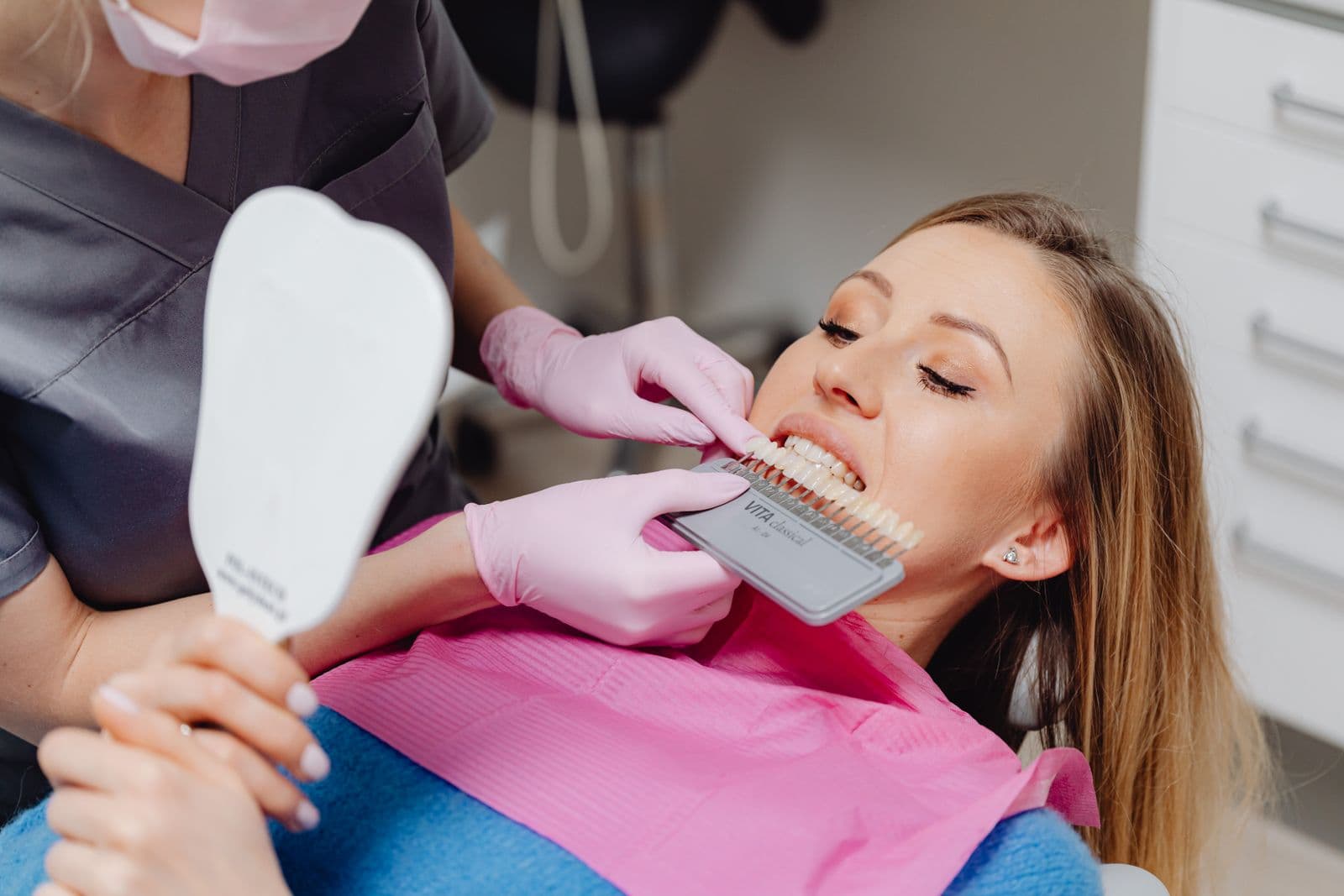
Options include smoothing, composite restoration, bonding, a veneer, a crown or root canal treatment, depending on the severity and location of the damage. The aim is to preserve healthy structure while restoring the tooth's function and appearance.
A small chip doesn't automatically need extensive treatment.
Dental bonding or composite restoration
Bonding is commonly considered for small to moderate chips, especially where appearance matters. Tooth-coloured composite resin is applied to the chipped area, shaped and hardened. It's a conservative option in suitable cases, because it restores the tooth without covering all of it.
Tooth-coloured filling
A filling can repair some areas of lost structure, especially when damage or decay has left a cavity. Composite material can be colour-matched and shaped to restore normal function, and can repair trauma damage as well as decay.
Dental veneer
A veneer covers the front surface rather than rebuilding only the missing corner. It may suit selected chipped front teeth where shape or colour also need to be addressed. Porcelain and composite veneers are commonly used for chipped, broken or uneven front teeth, and preserve much of the natural tooth. See our veneers page.
Dental crown
A crown fits over the damaged tooth and may be considered when a lot of structure has been lost or the remaining tooth needs more protection. It may suit a severely chipped or weakened tooth better than bonding. The final choice depends on the extent of damage, bite forces, remaining structure and overall oral health. See our dental crowns page.
Root canal treatment
This may be needed when a fracture has injured or exposed the pulp. The aim is to treat the affected internal tissue so the tooth can potentially be kept. A crown or other restoration is then used to restore and protect it. See our root canal treatment page.
Tooth extraction
Extraction is generally reserved for damage that can't reasonably be restored. It isn't the default for chipped teeth. If a tooth can't be saved, your dentist can discuss replacement options for your situation.
How Do Chipped Tooth Repair Options Compare?
Your dentist weighs how much structure remains, whether the pulp is involved, cosmetic priorities and bite forces. This table is a general comparison, not an individual recommendation.
| Treatment | Commonly suits | Main material or approach | Main consideration | Where provided |
|---|---|---|---|---|
| Composite bonding | Small to moderate cosmetic chips | Tooth-coloured composite resin | Conservative repair that rebuilds the chipped area | General or cosmetic dental clinic |
| Filling | Localised damage or a cavity | Composite or another filling material | Restores missing structure and function | General dental clinic |
| Veneer | Selected chipped front teeth | Porcelain or composite | Covers the visible front surface | Cosmetic dental clinic |
| Crown | Larger fractures or weakened teeth | Ceramic, porcelain or other crown material | Fits over the damaged tooth for broader coverage | General or restorative dental clinic |
| Root canal plus restoration | Fracture affecting the pulp | Root canal treatment, then restoration | Treats internal damage before the tooth is rebuilt | General dentist or endodontic provider |
A smaller defect may suit bonding, while significant structural loss usually calls for more protective treatment.
How Can Another Chipped Tooth Be Prevented?
Prevention means reducing avoidable impact, managing dental problems and protecting teeth during higher-risk activities. It can't eliminate every accident, but it reduces some common causes.
Use a mouthguard during contact sport
A properly fitted mouthguard can reduce the risk of dental injury. Ask your dentist about a professionally fitted one where appropriate.
Avoid using teeth as tools
Don't use your teeth to open packets, loosen lids or hold hard objects. Be careful with hard foods too, especially if a tooth has a large restoration or a previous fracture.
Address decay, wear and repeated chipping
Untreated decay and structural weakness make chipping more likely. Regular examinations can pick up decay and worn restorations early. Repeated chips may also justify an assessment for grinding or clenching and your bite.
Getting the Right Care for a Chipped Tooth
A chip can range from a small enamel defect to a fracture involving the pulp. Treatment should be based on the actual extent of damage, not appearance alone. To give the tooth a better chance of being restored:
- Save any broken fragment
- Protect the area
- Arrange a dental examination as soon as you can
At Campsie Dental Spa, we assess chipped and broken teeth and explain the options based on the condition of each tooth, including composite restorations, veneers, crowns and root canal treatment where clinically appropriate.
This guide is general information, not a substitute for professional assessment. If you have trouble breathing, or heavy bleeding into the throat, call 000.
Common Questions
Frequently Asked Questions

Written by
Dr James (Jim) Sternhell
Principal Dentist, Campsie Dental Spa
Dr James Sternhell has been practising dentistry for over 20 years, with a particular focus on restorative and cosmetic treatments. He is passionate about helping patients understand their options so they can make confident, informed decisions about their dental care.