
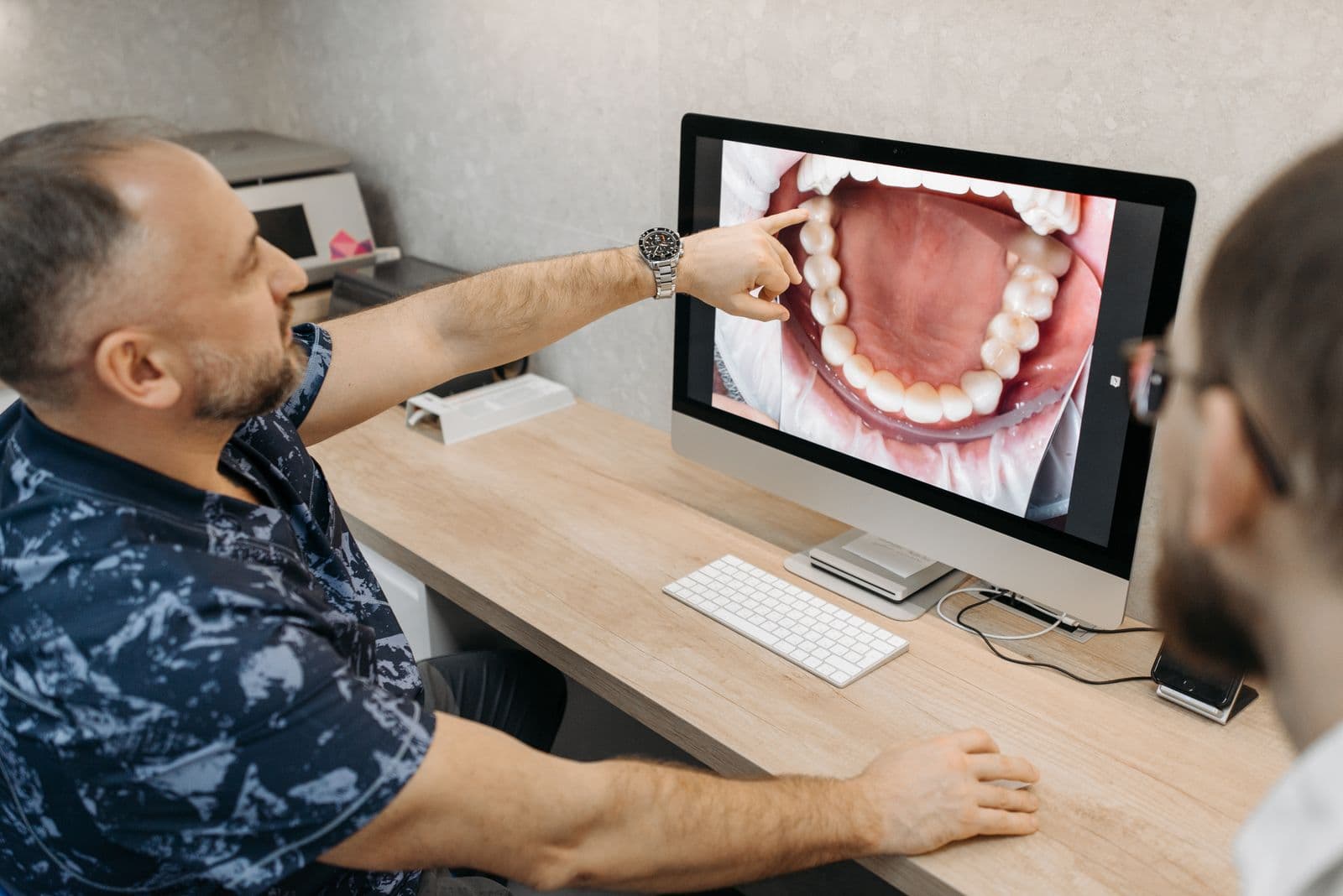
Healthy gums play an important role in keeping your teeth stable and your mouth comfortable over time.
Gum disease treatment aims to control infection, reduce inflammation and protect the tissues that support the teeth. The right approach depends on the stage of gum disease, from gingivitis to more advanced disease.
Options can include professional cleaning, improved daily care, deep cleaning, maintenance visits or specialist care. Early assessment matters, because mild disease can often improve with simpler treatment.
Key takeaways
- Gingivitis is the early stage and can usually be reversed; periodontitis damages the tissues and bone that support teeth and needs ongoing control
- Treatment ranges from a professional clean to a deep clean (scaling and root planing), maintenance visits and, in selected cases, specialist or surgical care
- Periodontitis does not usually cause pain, so bleeding, swelling or recession are worth having checked
- Daily brushing and cleaning between teeth keeps results in place after professional treatment
What Is Gum Disease?
Gum disease is inflammation or infection of the tissues around the teeth. It usually begins when bacterial plaque builds up along the gum line and isn't removed effectively.
Plaque can harden into tartar over time. Once tartar forms, brushing alone can't remove it, so professional dental care may be needed.
The Australian Institute of Health and Welfare reports that around 1 in 10 (11%) Australian adults aged 18 and over said they had gum disease in the 2021 National Dental Telephone Interview Survey. Spotting it early can help limit progression and reduce the risk of more complex problems.
What Causes Gum Disease?
The main cause is plaque, a sticky film of bacteria that constantly forms on teeth. When it isn't cleared away, it irritates the gums and causes inflammation.
Healthdirect notes that plaque hardens into tartar if it stays on the teeth, and lists these as factors that increase the likelihood of gum disease:
- Smoking
- Drinking alcohol
- Stress
- Diabetes
- Certain medicines, including those that cause a dry mouth
- Poor nutrition
- Pregnancy or puberty
- A family history of gum disease
Effective daily cleaning reduces plaque, but risk also depends on individual health and susceptibility.
What Are the Symptoms of Gum Disease?
- Bleeding gums
- Swollen or red gums
- Persistent bad breath
- Gum recession
- Deeper pockets around teeth
- Tenderness
- Loose teeth or changes in tooth position
Pain isn't always present. The Australian Dental Association notes that periodontitis does not usually cause pain, so persistent bleeding or swelling should be assessed by a dentist.
What Are the Main Stages of Gum Disease?
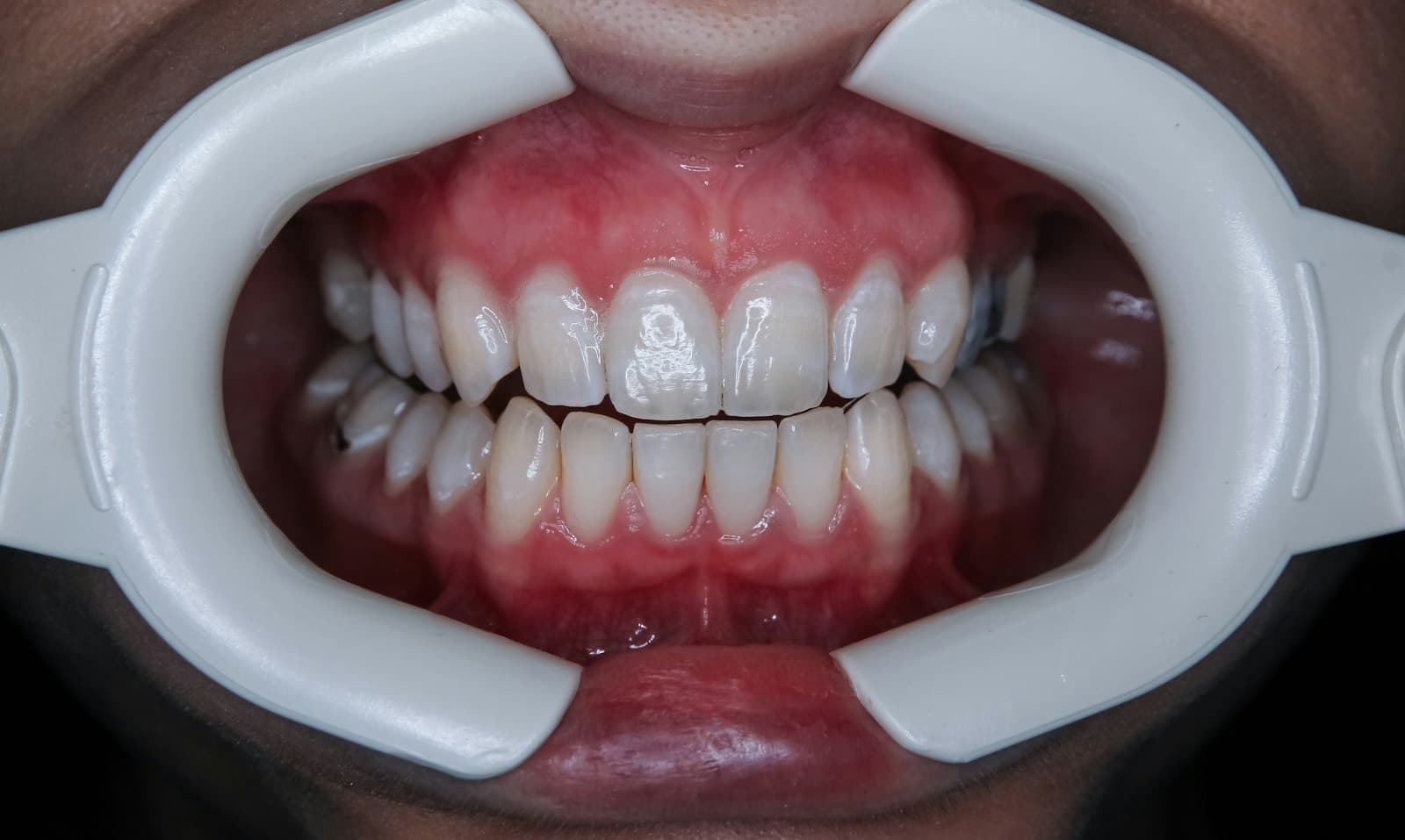
The two main stages are gingivitis, the early stage, and periodontitis, where the tissues and bone supporting the teeth are damaged. Without treatment, gingivitis can progress to periodontitis.
Knowing how far the disease has progressed helps decide the right treatment, and whether general dental care or specialist periodontal treatment is needed.
| Stage | What's happening | Outlook |
|---|---|---|
| Gingivitis | Red, swollen or bleeding gums; no permanent bone loss | Can often return to a healthier state with a professional clean and better daily cleaning |
| Periodontitis | Disease extends below the gums; pockets form and bone loss can occur | Can't usually be fully reversed, but treatment aims to control infection and slow further damage |
Gingivitis
This early stage often causes red, swollen or bleeding gums. At this point, permanent bone loss hasn't occurred.
Treatment usually involves a professional clean to remove deposits, plus better brushing and flossing. With consistent daily cleaning, the tissues can often return to a healthier state.
Periodontitis
This advanced form develops when disease progresses below the gums. Pockets can form, letting bacteria and deposits collect more deeply.
Once bone loss occurs, it can't usually be fully reversed. Healthdirect describes periodontitis as something that can't be cured but can be controlled. Treatment aims to reduce infection, slow further damage and lower the risk of tooth loss.
If left untreated, it can keep progressing and may eventually affect tooth stability.
How Does a Dentist Assess Gum Disease?
A dentist examines the tissues around the teeth, checks for bleeding or recession and measures periodontal pockets. X-rays may be used where deeper damage is suspected. The findings guide a treatment plan tailored to you.
Periodontal examination
This checks the condition of the gums, plaque deposits, bleeding and pocket depth. A small probe may be used to measure the space around each tooth. Deeper pockets can suggest the disease has progressed and may need more than a routine clean.
Dental X-rays
X-rays can show bone loss that isn't visible during a routine examination. These findings help your dentist recommend treatment based on the areas affected.
Gum Health
Concerned about your gums?
A gum assessment shows how far any disease has progressed and what care is appropriate.
What Gum Disease Treatment Options Are Available?
Treatment depends on how far the disease has progressed. Care may range from a professional clean for early irritation to deep cleaning, maintenance or surgery for advanced disease.
It's usually completed in stages, with the tissues reassessed after initial care before anything further is considered.
| Treatment option | Usually suitable for | What it involves | Main aim |
|---|---|---|---|
| Professional dental clean | Gingivitis or tartar build-up | Cleaning around the teeth | Reduce inflammation |
| Deep cleaning | Advanced disease | Cleaning below the gums and smoothing root surfaces | Control infection |
| Periodontal maintenance | Previously treated periodontal disease | Ongoing cleaning and monitoring | Maintain gum health |
| Periodontal surgery | Selected advanced cases | Treatment of deeper pockets or damaged tissues | Manage areas not controlled non-surgically |
Professional cleaning for early gum disease
A professional clean removes plaque and tartar that can't be fully cleared at home. Once those deposits are gone, daily cleaning helps maintain healthy gums. This is commonly suitable before the deeper supporting tissues are affected. See our check-up and clean guide for what a routine visit includes.
Deep cleaning for advanced disease
Scaling and root planing is a deep clean below the gum line. It removes deposits from tooth and root surfaces and smooths areas where bacteria and tartar can collect.
It may take more than one visit, depending on how many areas are involved. Local anaesthetic may be used for comfort.
The aim is to remove bacteria from deeper areas and create conditions that support healing. It's often used when a routine clean can't adequately treat the disease.
Advanced periodontal treatment
If deep pockets or bleeding remain after initial care, further treatment may be needed. Options can include additional cleaning, periodontal surgery or referral to a periodontist. Depending on severity, treatment may improve access for cleaning, reduce pocket depth or support regeneration in selected areas.
What Happens After a Deep Clean?
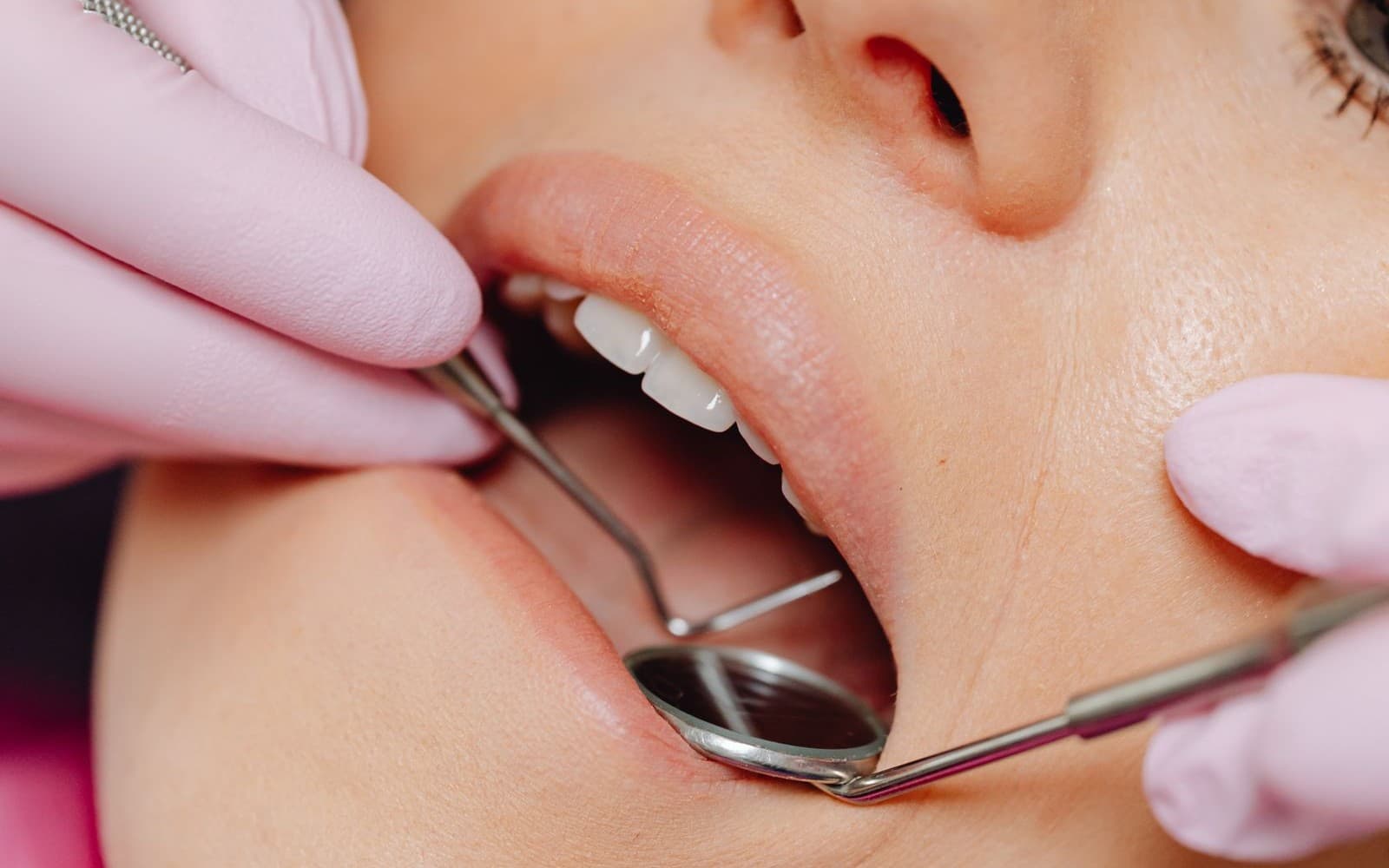
The tissues need time to heal before the result can be reviewed. A dentist or dental hygienist may then reassess bleeding, inflammation and pocket depth to see whether treatment has worked, and whether maintenance is enough or other care is needed.
Healing after treatment
Mild tenderness or temporary sensitivity can occur after a deep clean and often settles as the area heals. As swelling goes down, existing gum recession can become more noticeable. The aim is healthier conditions around the teeth and less further periodontal damage.
Ongoing periodontal maintenance
Gum disease can return if plaque and tartar build up again. Maintenance usually combines professional cleaning, review of pocket depth and reinforcement of daily care.
How often you're seen depends on your disease history, plaque levels, smoking, diabetes and other individual risk factors.
How Can Home Care Support Treatment?
Professional treatment removes existing deposits, but plaque reforms every day. Daily cleaning is what maintains the result.
Brush morning and night
The Australian Dental Association recommends brushing twice a day for two minutes with a soft-bristled brush and fluoride toothpaste, paying attention to where teeth meet the gums. Brush gently rather than scrubbing, as pressing too hard can damage teeth and irritate the gums.
Clean between the teeth daily
Floss daily, or use interdental brushes if they suit the spaces between your teeth better. A toothbrush can't reach between teeth, so this removes plaque from areas brushing misses.
Manage other risk factors
Smoking, poorly controlled diabetes and inconsistent oral hygiene can make gum disease harder to manage. Regular check-ups can pick up changes before they become more advanced.
How Can Gum Disease Be Prevented?
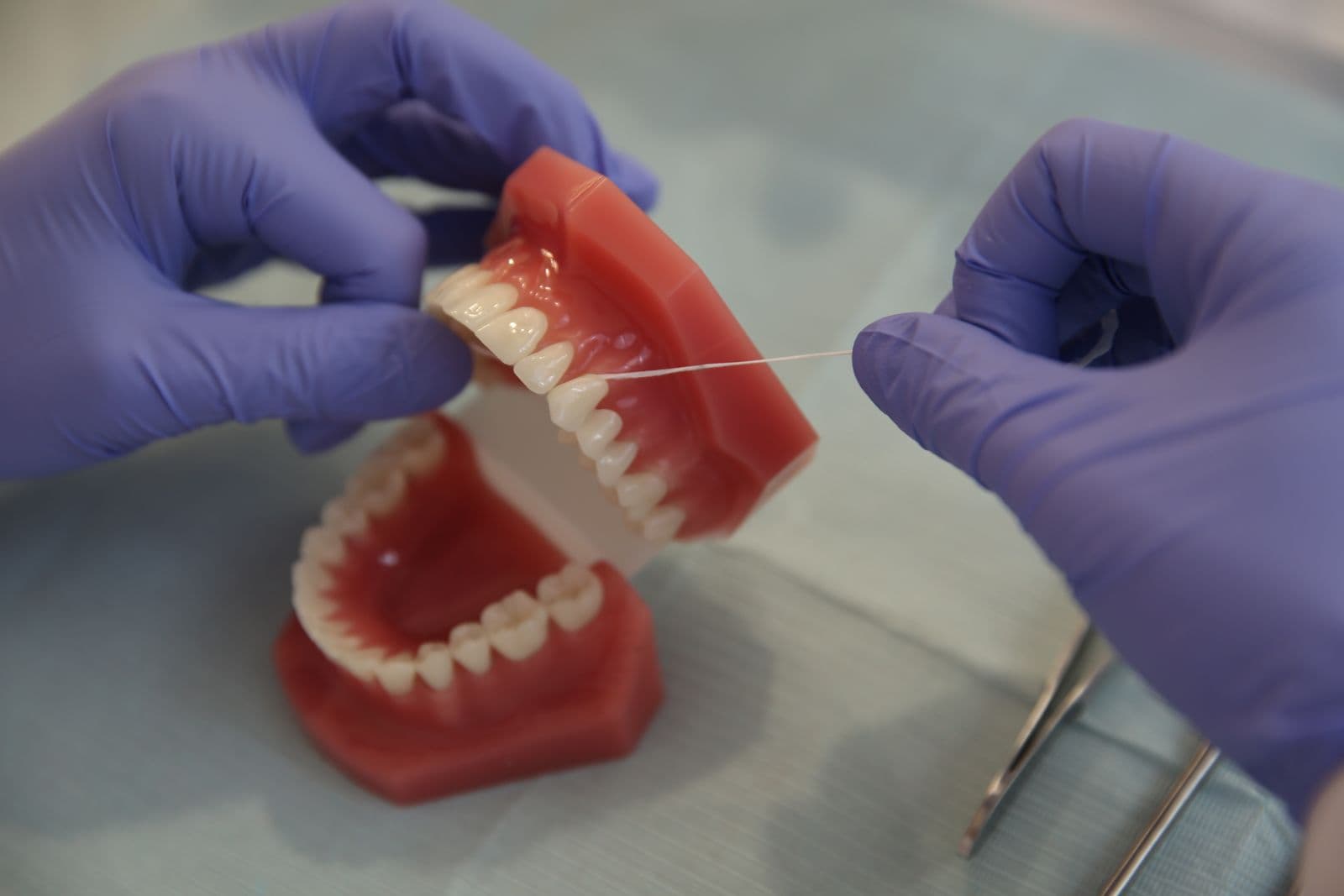
Prevention relies on daily plaque control, professional review and early assessment of symptoms that don't settle. Keeping gums healthy is generally easier than treating advanced disease.
- Maintain good oral hygiene: daily brushing and interdental cleaning keep plaque low, so it doesn't stay long enough to harden into tartar.
- See a dentist for persistent symptoms: bleeding, swelling, recession, loose teeth or ongoing bad breath should be assessed if they continue.
- Keep up regular check-ups: they can pick up changes even when symptoms are mild. People with previous advanced disease may need visits more often.
Managing Gum Disease With the Right Treatment Plan
Effective treatment matches care to the stage and severity of the disease.
- Early disease may improve with a professional clean and daily plaque control
- Advanced disease may need deep cleaning, maintenance and sometimes specialist care
At Campsie Dental Spa, we assess your gums, teeth and supporting structures before recommending a treatment plan, and explain your options clearly.
This guide is general information, not a substitute for professional assessment. The right treatment depends on your examination findings.
Common Questions
Frequently Asked Questions

Written by
Dr James (Jim) Sternhell
Principal Dentist, Campsie Dental Spa
Dr James Sternhell has been practising dentistry for over 20 years, with a particular focus on restorative and cosmetic treatments. He is passionate about helping patients understand their options so they can make confident, informed decisions about their dental care.